
What is 3D printing: a guide for buyers
How a part comes out of a file, where printing beats machining and moulding, and what to ask before you hire it.
In short
- 3D printing builds a part in layers from a file, with no mould and no tool made for it.
- It beats machining and moulding when the quantity is small, the design is still changing or the geometry is awkward.
- Tesseract prints structure and large parts in FDM, and fine detail in SLA.
In this guide
What 3D printing is
3D printing is making a part from a digital file, layer by layer, adding material only where the part exists. That is why it is also called additive manufacturing: instead of cutting material away from a block, the machine builds the shape from the bottom up.
The file is a 3D model of the part, drawn in CAD or scanned. Before printing, a program called a slicer cuts the model into thin slices and works out the path the machine takes through each one. The printer follows that path, slice after slice. When the last layer is done the part is whole, but it still carries the marks of the process: supports to remove, surfaces to sand and, when the use calls for it, paint.
For a buyer, what matters is what follows from that. There is no mould and no tool made for the part, so changing the design means changing the file. And a complicated shape, with an internal cavity or a tricky curve, costs no more than a simple one of the same size, because the machine cannot tell the difference. It just stacks layers.
3D printing, machining and injection moulding
Almost every plastic or metal part you know came out of one of these three routes. They are not always competing. Each one wins in its own range of quantity, lead time and shape, and plenty of parts go through more than one over the life of a product.
In machining, a mill or a lathe starts from a solid block and removes material until only the part is left. It is precise and works very well with metal. But the removed material turns into chips, and the tool has to reach every surface: a curved internal channel, for example, has no way in for the cutter.
In injection moulding, molten plastic is pushed into a steel mould and cools in the shape of the cavity. Each part comes out in seconds and costs little. The mould, on the other hand, is expensive, slow to make and does not take cheap changes. It is the route for anyone making a lot of identical parts for a long time.
3D printing sits in between. With no mould to pay off, the first part costs about the same as the hundredth. The catch is that time is per part: each unit takes up the printer from start to finish. It wins when the quantity is small, when the design is still going to change and when the shape makes life hard for the other two.
| Criterion | 3D printing | Machining | Injection moulding |
|---|---|---|---|
| Starting point | The file and the material, layer by layer | A solid block | A steel mould made for the part |
| Part-specific tooling | None | Standard cutting tools | The mould, which is expensive and slow to make |
| Internal shapes | Closed channels and cavities are possible | Only where the tool can reach | Only what can come out of the mould |
| Design changes | Change the file | A new cutting program | A mould change or a new mould |
| Where it pays off | One-offs, prototypes and short runs | One-offs and short runs, especially in metal | Large, repeat batches |
In practice, the same product often goes through all three. The prototype is printed, the metal test part is machined and, once the design is frozen and the volume justifies it, the mould comes in. Knowing where you are in that sequence helps you ask for the right thing.
FDM and SLA
There are several families of 3D printing: powder, metal, material jetting. Tesseract works with two, FDM and SLA, and those are the ones this guide covers.
In FDM, a plastic filament runs through a heated nozzle, melts and is laid down as a thin bead that traces the outline and the inside of each layer. The part is a stack of those beads. It is the technology for structure: large parts, model bases, prototypes headed for the bench, line jigs. Its limit is detail, because nothing comes out smaller than the width of the bead.
In SLA, the part grows upside down inside a vat of liquid resin. Light passes through the bottom of the vat and hardens the resin only where the part exists, in a layer much thinner than FDM. The surface comes out smooth and the detail shows: dials, valves, small lettering. On the other hand, resin is stiffer and more brittle, and the build size is smaller.
Many industrial scale models use both: the structure in FDM and the detail in resin, assembled together. The criterion-by-criterion comparison is in the FDM or SLA? guide.
The materials
The material follows from what the part has to do, not from a catalogue. Four cover the day-to-day work:
- PLA: stable, warps little and takes sanding, primer and paint. It is the material for scale models and appearance prototypes. It does not like heat or constant load.
- ABS and PETG: they take more load, impact and heat than PLA. They are the filaments for parts that work, such as jigs, functional prototypes and replacement parts. ABS handles more heat, and PETG is tough.
- Resin: the thinnest layer and the smoothest surface, for detail and small parts. On a large part it gets expensive and fragile, and it feels heat before the engineering filaments do.
One piece can mix materials: a PLA base, a PETG fitting, a resin panel. The engineering review settles the combination, based on what the part will have to face.
Where industry uses it
In industry, 3D printing jobs fall into two groups. The first is engineering: the prototype, to check fit and form before tooling, and on-demand parts such as jigs, fixtures and short-run replacements. The second is communication: the industrial scale model, which shows a piece of equipment or a plant without anyone having to ship the equipment or visit the plant.
Scale models show up in four uses, each with its own page:
- Training: the equipment in cutaway, with removable parts, to teach operation and maintenance without stopping the real machine.
- Corporate gifts: the client’s machine in miniature, as a desk piece, to hand over at a visit or an event.
- Trade shows and events: the equipment on the stand without the cost of shipping the equipment, in modules that go together on site.
- Sales demonstration: the sales rep carries the equipment in a bag and explains it on the client’s desk.
The automotive sector brings both groups together: engineering asks for prototypes and line fixtures, and sales asks for scale models.
The limits
3D printing is not the answer to everything, and it is better to know that before you ask for a quote.
- Large repeat batches. With many identical parts, an injection mould starts to pay off, and printing keeps the prototype and the short run.
- Detail finer than the process. In FDM, anything thinner than the bead turns into a blur. The answer is resin, on small parts.
- Visible layers. FDM leaves steps on sloped faces. Sanding and primer hide them; without finishing, they show.
- Strength between layers. An FDM part is weaker in the direction the layers can pull apart, so its position on the bed is chosen with the load in mind.
- Heat and load. PLA and resin feel heat and stress before ABS and PETG do. A part near a motor or out in the sun needs the right material.
- Size. A part bigger than the printer is split into modules that fit together, and the split is decided in the engineering review.
Hiring a print service
An order starts with the file, in STL, STEP or OBJ. If there is no 3D model yet, photos with dimensions are a starting point.
Along with the file, say what the part is for: where it will sit, whether people will handle it, whether there is a fixed date and how many you need. Those answers decide the technology, the material and the finish more than the drawing itself does.
When you compare quotes, look past the price. Ask which technology and which material will be used and why, how a large part will be split, what finish is included and how the part will travel to you. Two quotes for the same amount can deliver very different things.
The engineering review comes back within 24 business hours, with feasibility, the recommended material and the lead time. How it works walks through an order step by step, from file to delivery. Tesseract prints in São Paulo, Brazil, and ships to every country.
Glossary
- Additive manufacturing
- The technical name for 3D printing. Additive because it adds material, unlike machining, which removes it.
- CAD
- The software the part is designed in. The file it produces is where printing starts.
- STL
- The most common format for printing. It describes the surface of the part as a mesh of triangles.
- STEP
- A CAD format that keeps the exact geometry rather than a mesh. It makes review and changes easier.
- Slicer
- The software that cuts the model into layers and generates the path the printer follows.
- Layer
- Each slice of the part. Its height affects both the finish and the print time.
- Bead
- The line of molten plastic that FDM lays down. Its width limits the smallest detail.
- Infill
- The internal structure of an FDM part, which is rarely solid. It follows the load the part will carry.
- Support
- The temporary structure that holds up the parts of a piece that hang in the air. It comes off after printing.
- Post-cure
- In SLA, the light exposure after printing that finishes hardening the resin.
- Tolerance
- How far the real dimension may vary from the drawing. Tesseract works to ±0.1 mm.
- Scale
- The ratio between the size of a model and the real object. It follows from the use: what has to fit on a desk, in a bag or on a stand.
- Warping
- Distortion of a part when it cools unevenly. PLA warps the least.
Frequently asked questions
Can a printed part stand up to industrial use?
It depends on the material and how the part is oriented when printed. Jigs, fixtures and functional prototypes in ABS or PETG work on the line and on the bench. A part that will carry constant load or high heat goes through the engineering review first.
How much does it cost to print a part?
There is no price per kilo or per hour that fits every job. The figure comes from size, material, finish and quantity, and it arrives with the engineering review.
Can you print something bigger than the printer?
Yes. It is split into modules that fit together. The engineering review decides where to cut, based on where the joint shows least and how the piece will travel.
How long does printing take?
It depends on size, technology and finish: a small resin part and a modular scale model have very different lead times. The lead time for each order comes out of the engineering review, along with the material and the price.
Do I need a 3D file?
A file speeds things up, but you do not need one to start. Without it, photos and dimensions of the part are a starting point, and the engineering review tells you what can be done with them.
Does 3D printing replace injection moulding?
No. It comes in before the mould, for prototypes and short runs, and sometimes after it, to replace a part whose mould no longer exists. For many identical parts over a long time, moulding is still the way to go.
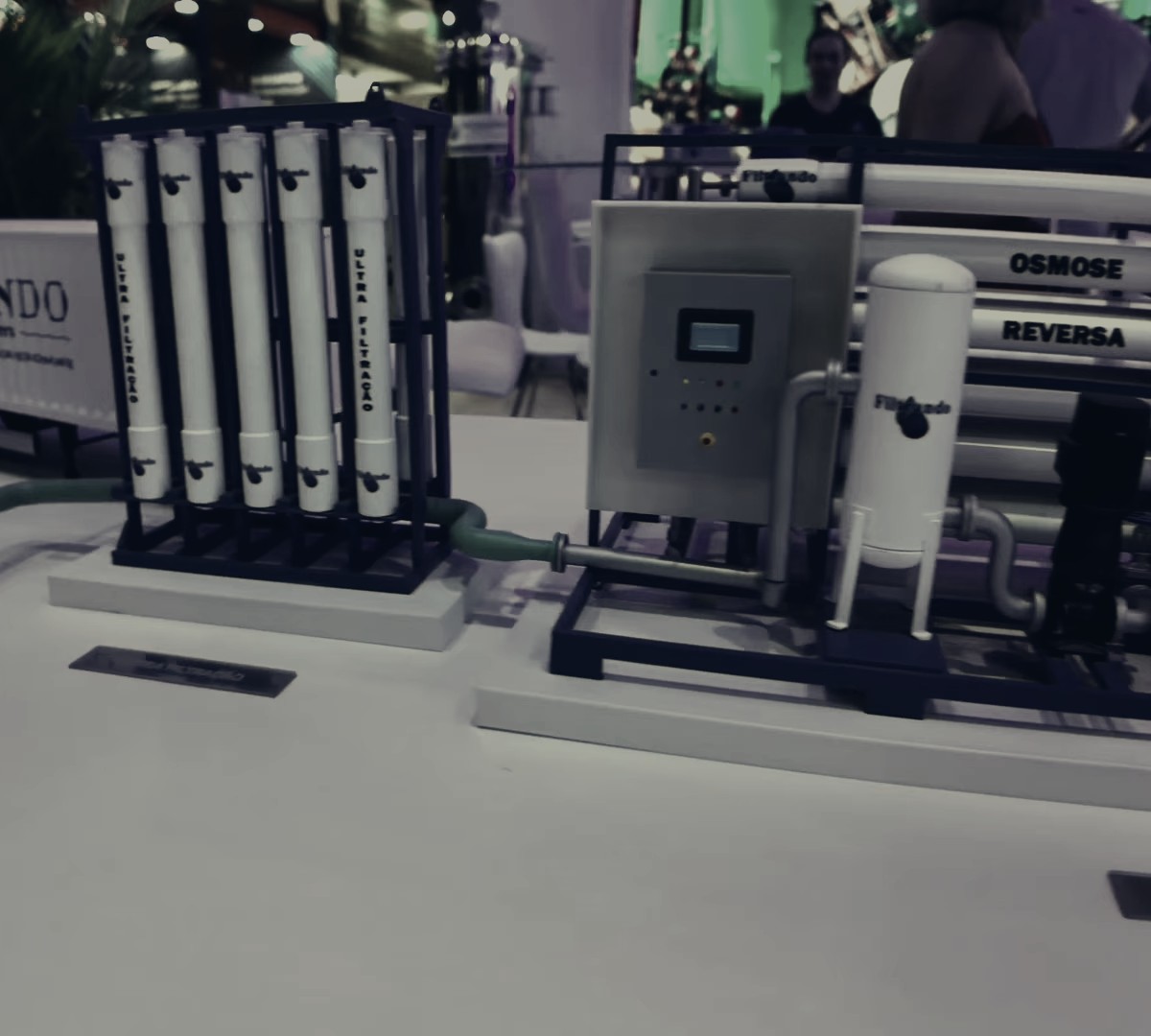 Trade show
The scale piece goes to the booth instead of the real machine.
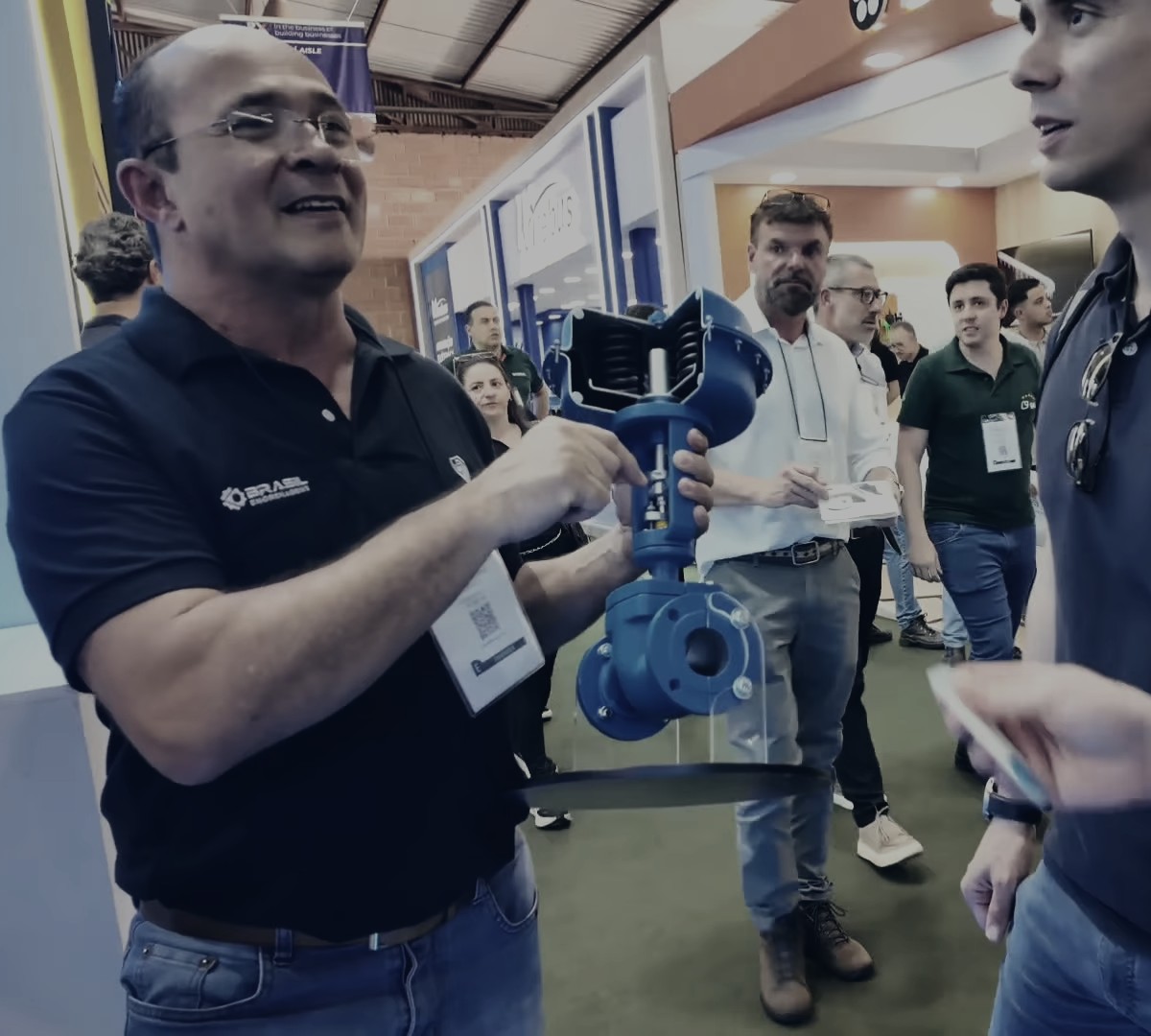 Training
The machine that cannot stop goes into the classroom, cut open.
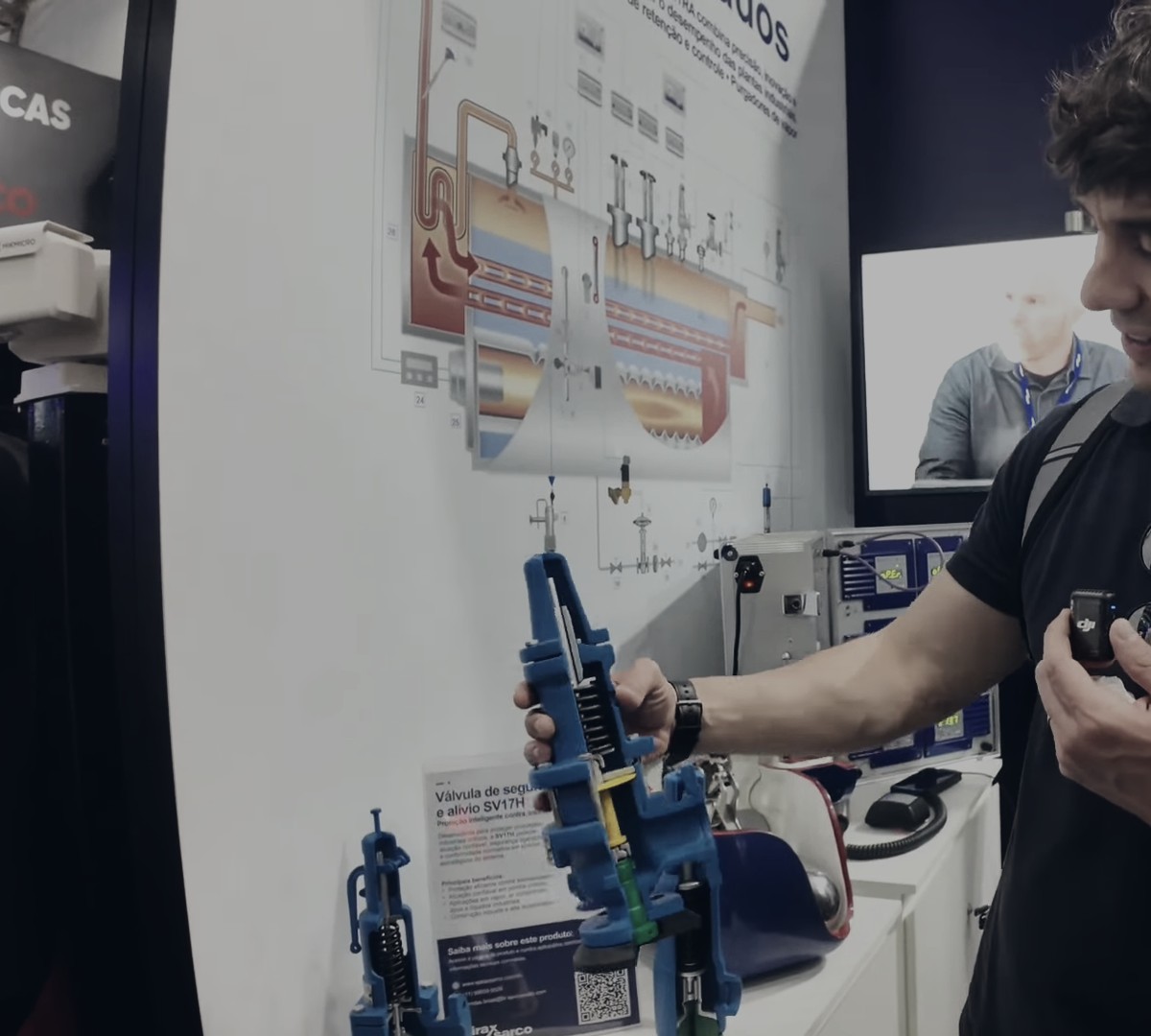 Sales visit
The rep carries in a suitcase what would never fit in one.


Have a part in mind?
Tell us what it has to do. The engineering review says whether 3D printing is the right route and which technology to use.