
Appearance prototypes of products
Appearance prototypes, 3D printed: the finished product, primed and painted, to sign off shape and colour before the first batch.
Shape is judged in the hand
An appearance prototype is a 3D printed part finished with sanding, primer and paint, made to be seen and handled before the first batch, in presentations, research or catalogue shots.
- Proportion, radii and grip judged at real size.
- Fine detail in SLA resin, volume in FDM.
- It arrives primed and painted in the product colour.
A render hides what your hand notices
Shape mistakes slip through
A render can hide a proportion mistake for months. The radius that came out too hard, the awkward grip and the big face that needs relief only show with the object in the room, sometimes after the mould is paid for.
The product arrives early
The part comes from the designer’s CAD, in resin where detail matters and FDM for volume, and arrives sanded and painted. In the meeting, everyone picks up, turns and comments on the same object.
From layer lines to paint
Three stages of the same surface. The part you receive is the third; the other two show what finishing solves.
Illustrative drawing, not to scale. Each project comes from the client’s own file.
- As printedLayer lines show on the side, finer in SLA resin than in FDM.
- Sanded and primedLayer lines disappear from the visible faces and the part is ready for colour.
- PaintedThe product colour, to the reference you send.
Spec sheet
- Input
- STL, STEP or OBJ
- Tolerance
- ±0.1 mm
- Finish
- Sanding, primer and paint
- Scale
- 1:1 unless requested
Full spec sheet
- Colour
- From the colour code or a physical sample
- Variants
- Two or three versions of the same product, side by side
- Materials
- Resin, PLA and ABS
- Engineering review
- Feasibility, material and lead time before any commitment
- Delivery
- Made in São Paulo, shipped to every country
Appearance prototype, render or foam mock-up?
All three help decide the shape. What changes is how close they get to the product.
| Option | What it shows | When to use it | Where it falls short |
|---|---|---|---|
| Appearance prototype | Shape, colour and finish close to final | Sign-off, research and catalogue shots | Not made for load or heavy use |
| Render | The shape in any colour and light | Early design and presentations | Nobody can hold it |
| Foam mock-up | Volume and proportion, no detail | First, very fast sketches | Not good enough to show a client |
Where an appearance prototype becomes a solution
Client sign-off
The client sees the finished product and decides before the line exists.
Booth launch
The new product appears finished at the show, before the first batch.
Desk piece
The product painted in the brand colour, for the decision maker’s desk.
Use testing
When the part has to work, the functional prototype comes from the same file.
From the designer’s CAD to the painted part
The lead time for each step comes with the quote.
File
The product CAD and the colour reference.
Engineering review
What goes to resin, what goes to FDM, and the finishing plan.
Printing
Resin for detail and the faces people see.
Finishing
Sanding, primer and paint in the product colour.
Delivery
Packed to reach the meeting without a mark.
What changes lead time and cost
No list price: the engineering review weighs these points.
- Size
- A large part in resin comes in pieces and adds bonding and sanding.
- Surface
- A showroom gloss takes more sanding and priming than a matte finish.
- Colours
- Each colour and each paint mask adds a step.
- Variants
- Two variants to compare cost less together than in separate rounds.
Where an appearance prototype is not the right call
Better to know before the quote.
Mechanical testing
It is made to be seen and handled, not to take load. For that, a functional prototype.
Production texture
Mould texture and injected gloss get close, not identical. The engineering review says how far finishing can go.
Critical colour
Paint follows the reference, but colour shifts with light and material. When it is critical, send a physical sample.
Manufacturers that have printed with Tesseract



























Common questions
Can you match the exact product colour?
The part is sanded, primed and painted to the reference you send. A physical sample helps more than a colour code when the colour is critical.
Do layer lines show on the finished part?
Not on the visible faces: sanding and primer remove them. Where definition matters, the part is printed in SLA resin, which uses much finer layers than FDM.
Is it good for use testing?
It is not made for load. To validate mechanical behaviour, the functional prototype comes from the same file, and ordering both is common.
Can you make two or three versions to compare?
Yes, and it is a good use: the versions side by side, so you decide with the client or the consumer instead of from a render.
Can the prototype be used for catalogue shots?
Yes, if the finish is planned for the camera. Mention in your request that the part will be photographed.
What sets the price?
What weighs most is size, how much goes to resin and the level of finish: gloss, number of colours and masks. If there is a presentation date, say so in your request.


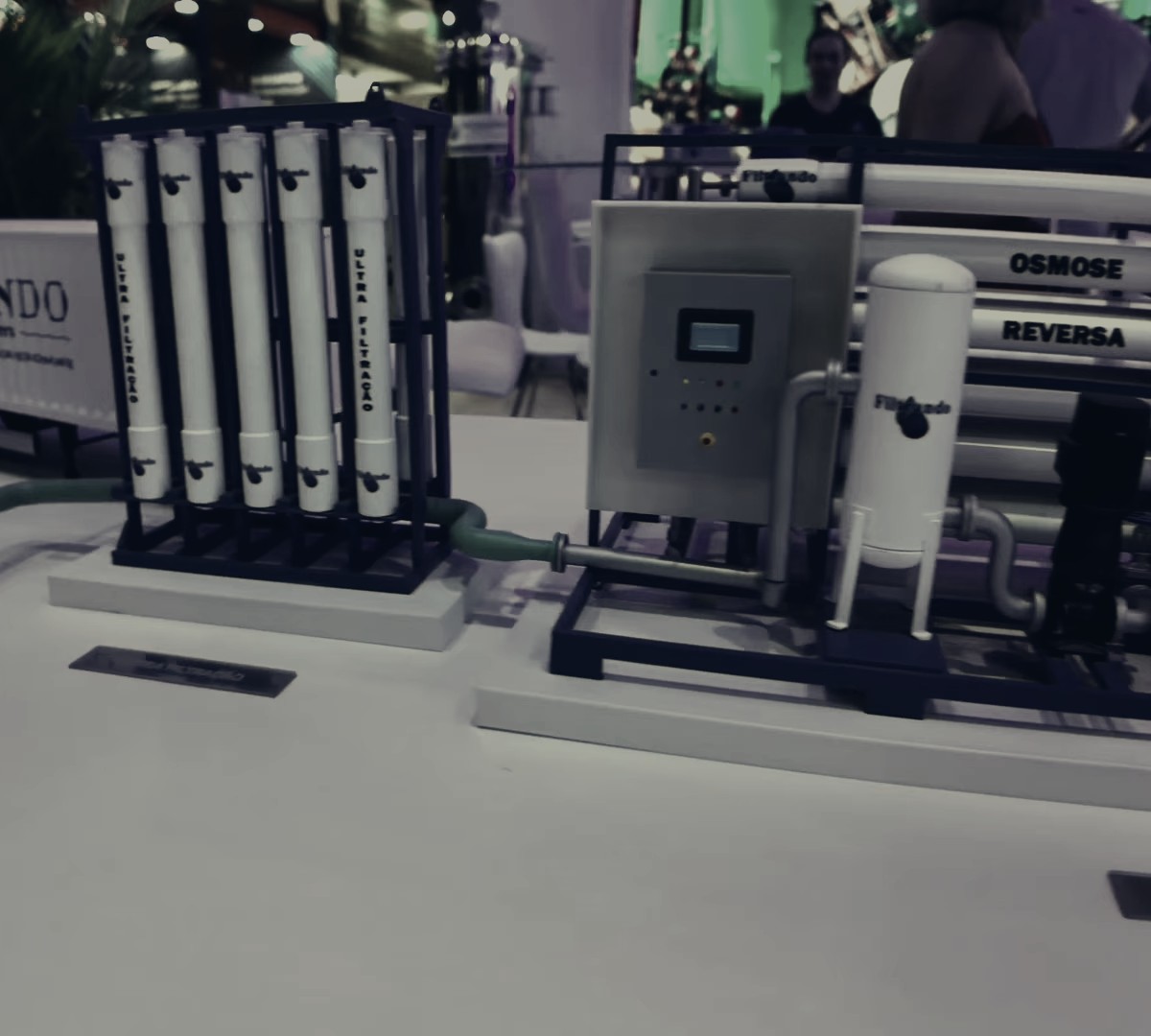 Trade show
The scale piece goes to the booth instead of the real machine.
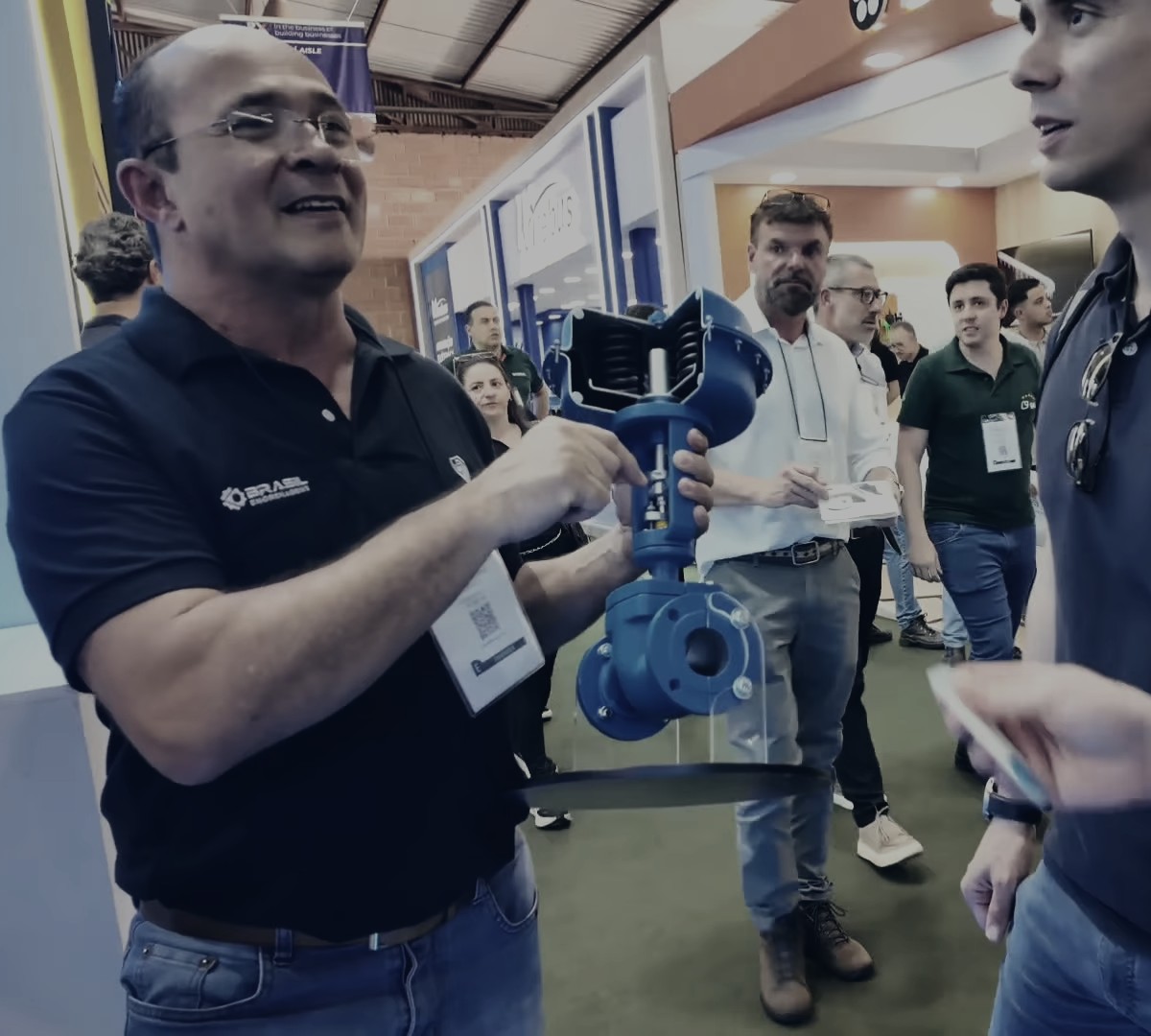 Training
The machine that cannot stop goes into the classroom, cut open.
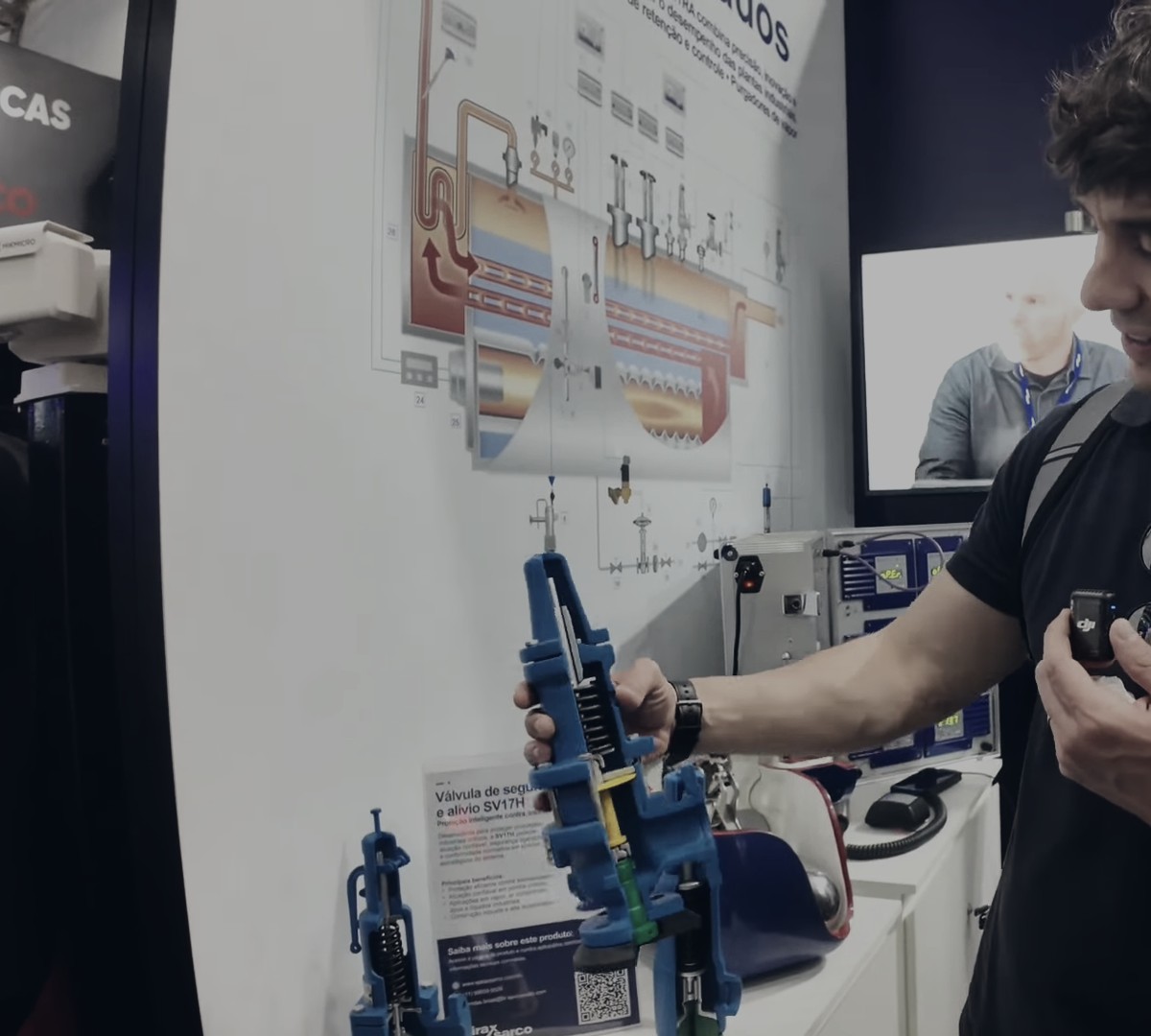 Sales visit
The rep carries in a suitcase what would never fit in one.


A product to show before the batch?
Send the CAD. The engineering review comes back within 24 business hours, with the recommended technology, a finishing plan and lead time.