
SLA resin 3D printing
In SLA 3D printing, light hardens liquid resin one thin layer at a time. It is the process for the detail filament cannot reach.
The process for detail
SLA 3D printing (stereolithography) uses ultraviolet light to harden a liquid resin, layer by layer, on a platform that rises out of the vat. At Tesseract, it is the process for detail: panels, valves, small gears and miniatures.
- The layer is much thinner than in FDM and the surface comes out smooth.
- It shines on small parts, where detail is what matters.
- On a scale model, the norm is resin detail on an FDM structure.
How SLA works
The section shows the part growing upside down, drawn up out of the resin.
Illustrative section, not to scale.
- Resin vatThe liquid resin sits in a tank with a clear bottom that light passes through.
- LightIt passes through the bottom of the vat and cures the layer. The resin hardens only where the part exists.
- PlatformIt holds the part upside down and rises one step with each cured layer.
- SupportsThin struts attach the part to the platform and hold up the sections that hang in the air.
Spec sheet
- Process
- Resin cured by light
- Material
- Engineering resins
- Tolerance
- ±0.1 mm
- Input
- STL, STEP or OBJ
- Finish
- Sanding, primer and fine paint
Full spec sheet
- Best for
- Small parts, fine detail, miniatures and appearance prototypes
- Limit
- A smaller build size than FDM
- Engineering review
- Feasibility, material and lead time before any commitment
Where each process comes in
What each one does in each kind of job. The criterion-by-criterion comparison is in the guide.
| Job | FDM | SLA resin (this page) |
|---|---|---|
| Plant or equipment model | Buildings, base, structure and housings | Panels, valves, stairs and small equipment |
| Functional prototype | The part that goes to the bench, in ABS or PETG | Rarely: resin is more sensitive to knocks and heat |
| Appearance prototype | The body of the product, sanded and primed | The detail people look at up close and the surface for fine paint |
| Gifts and miniatures | The base and the larger desk piece | The keychain with the whole machine on it |
| Jigs and replacement parts | The right route: engineering material and batches without tooling | Only for small detail, when there is any |
How a part comes off the SLA printer
A miniature pressure gauge turned upright, still on its supports.
Illustrative drawing, not to scale. Each project comes from the client’s own file.
- The detailDial, scale and needle that read at a few centimetres. That is what resin is here for.
- The supportsThey hold the part during printing and come off in finishing.
- The contact pointWhere a support touched, a small mark remains, which sanding evens out before primer.
Where SLA comes in
Equipment detail
Panels, valves and instruments on a machine model.
Appearance prototypes
A small product judged up close, where surface and radius decide.
Keychains and miniatures
The client’s machine at a few centimetres, still recognisable.
Sales demonstrations
A resin panel on an FDM structure, on the client’s desk.
When SLA is not the right call
Better to know before the quote.
Large parts
In resin it gets expensive and fragile. The structure goes to FDM and resin stays on the detail.
Parts that take a beating
Resin is stiff and more brittle. Bench and line parts come out in ABS or PETG.
Parts near heat
Resin feels heat before engineering filaments do. Near a motor or in the sun, the route is ABS.
Common questions
Is a resin part fragile?
Compared with ABS and PETG, yes. For presentation and careful handling, with the right finish, it does the job. A part that will be passed around gets reinforced or made removable.
Do the supports leave marks?
They leave small points where they touched the part. Sanding evens them out before primer, and the supports are placed away from the faces people see most.
How much detail can resin reach?
More than an FDM bead can draw. For your part, the engineering review tells you what shows and what is lost, part by part, before printing.
Can just one part of the piece be in resin?
Yes. The engineering review splits the file: what needs detail goes to resin, the rest comes out in FDM, and the parts come together before finishing.
What sets the price of a resin part?
The volume of resin, the height of the part on the platform, the supports and the finish. That is why resin works best on small parts and detail.


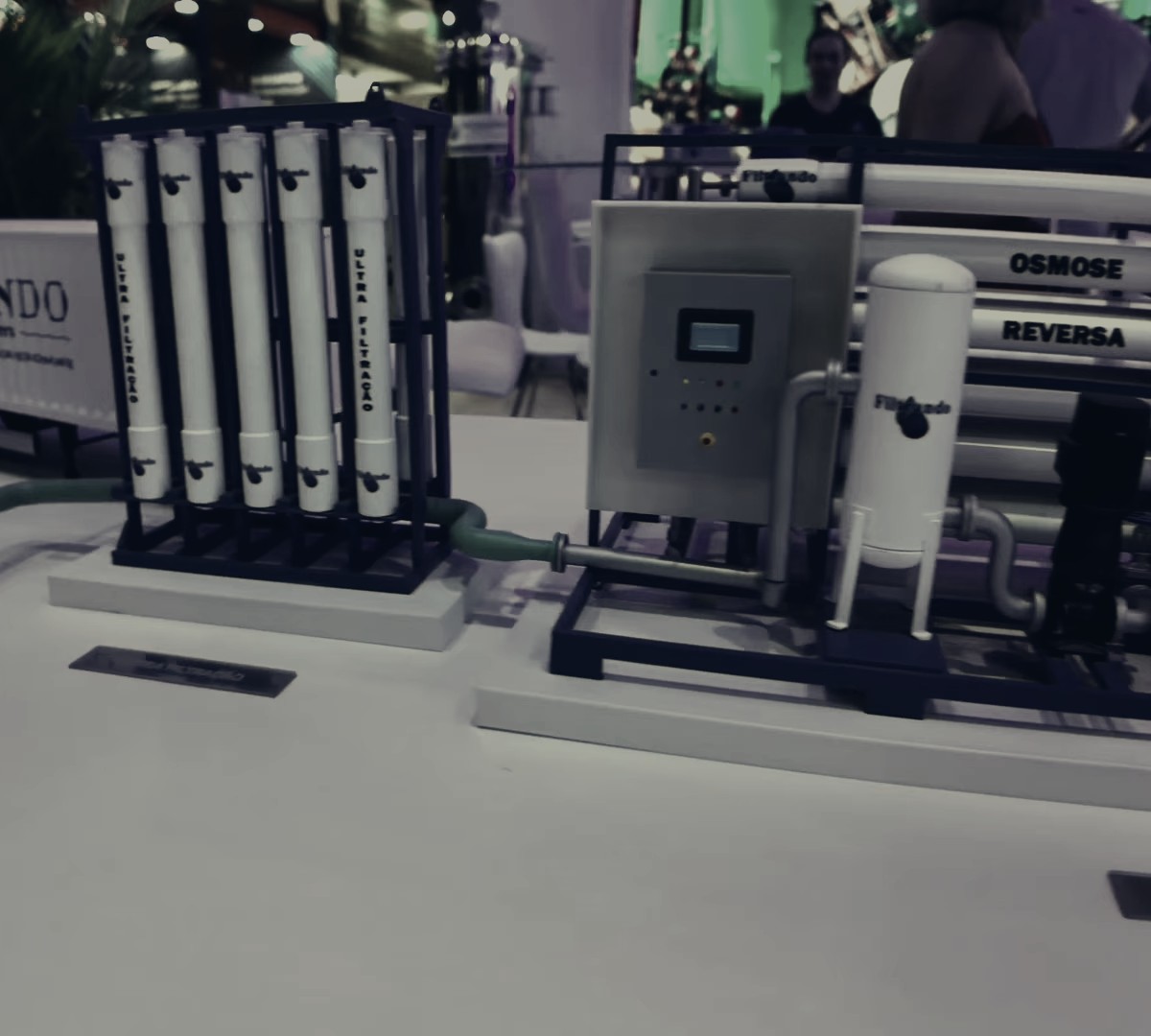 Trade show
The scale piece goes to the booth instead of the real machine.
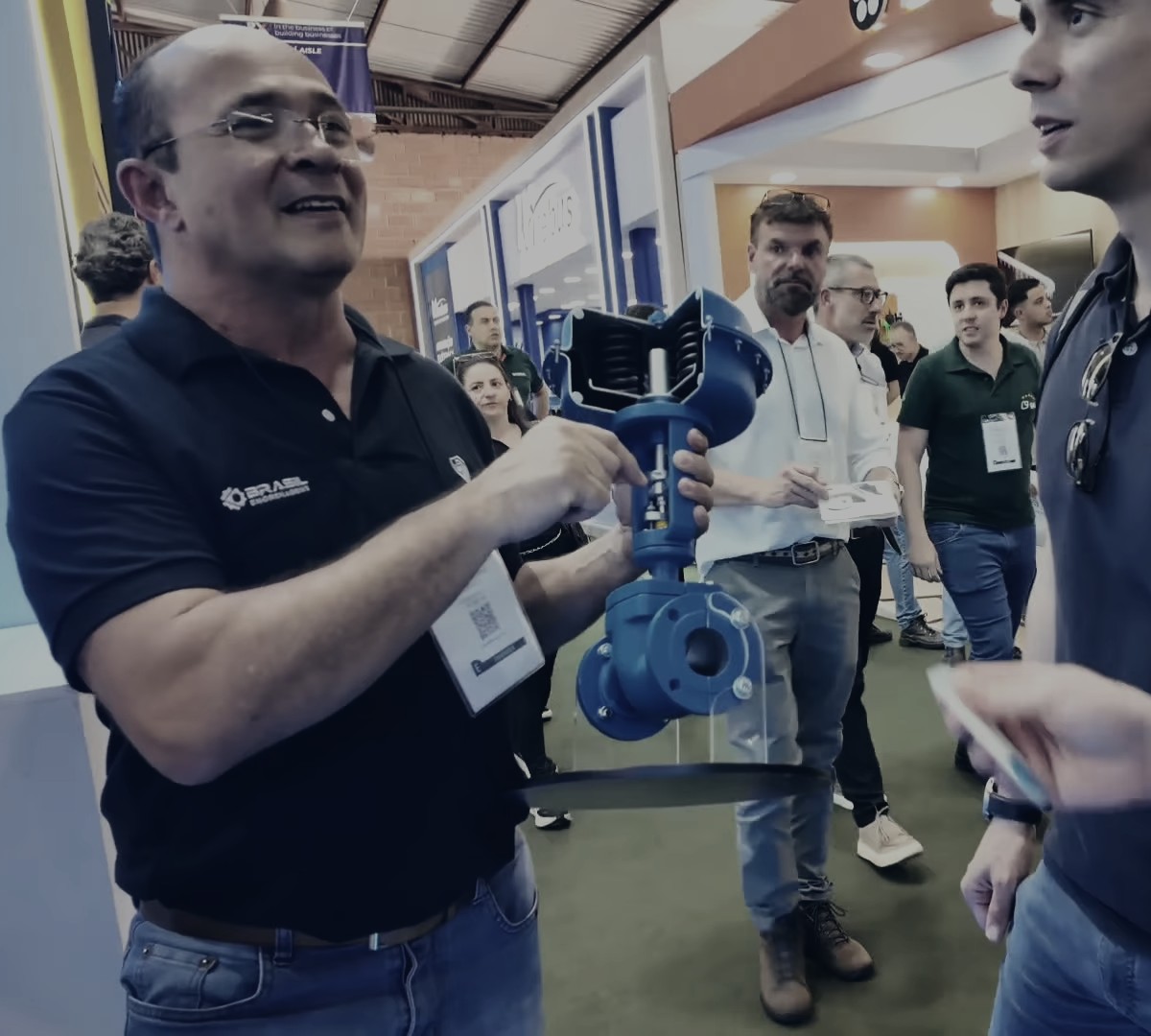 Training
The machine that cannot stop goes into the classroom, cut open.
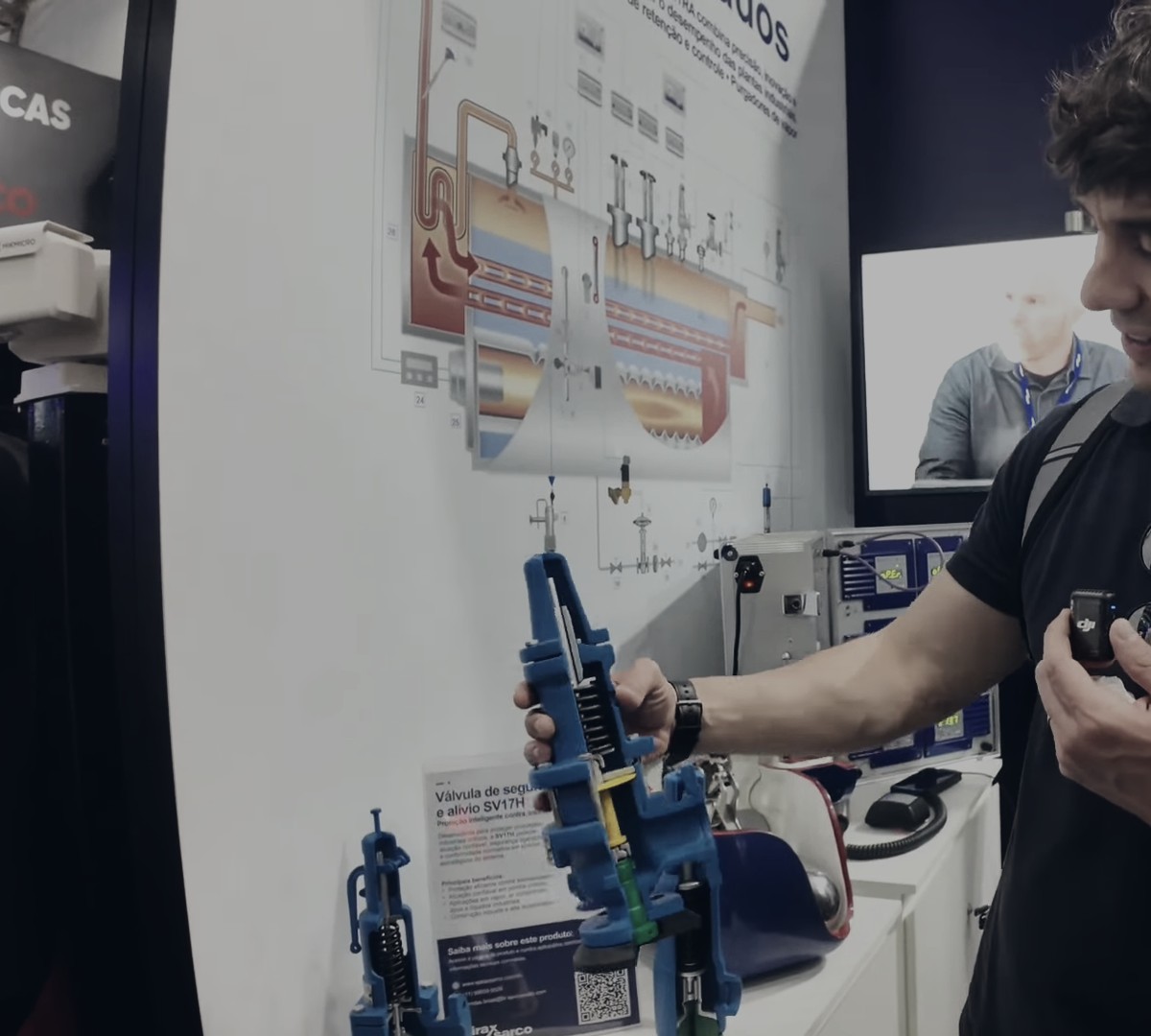 Sales visit
The rep carries in a suitcase what would never fit in one.


Fine detail in your design?
Send the file. The engineering review comes back within 24 business hours saying what goes to resin, what stays in FDM and the lead time.