
3D printing for the automotive industry
Component prototypes, line fixtures and equipment scale models: what engineering, the plant and the sales team ask for.
3D printing in automotive
3D printing in the automotive industry means using a printed part where tooling doesn’t pay off yet: the prototype that proves a fit, the fixture that changes with the line, the scale model that explains a machine.
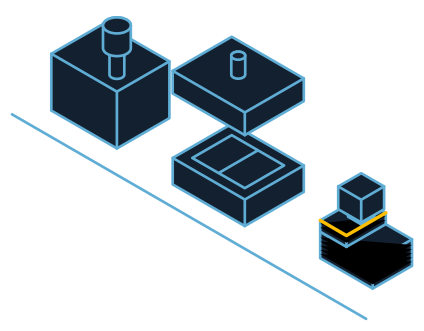
- Engineering checks fit and assembly on a physical part before any mould is cut.
- The line gets jigs and fixtures in short runs, remade when the process changes.
- Sales and training can show the equipment without moving the machine.
Where it comes in for automotive
Engineering
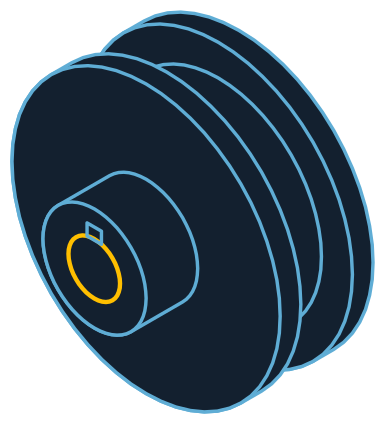
Component prototypes and assembly validation: clearance, access and sequence checked with the part in hand, while a fix still means changing the CAD.
Production line
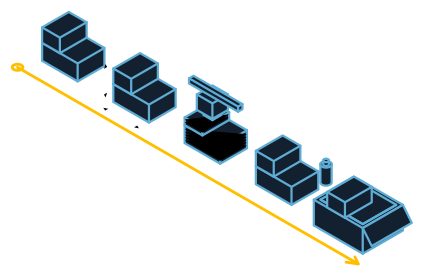
Jigs, fixtures and spare parts in short runs, with no tooling, remade when the line switches product.
Sales
The equipment to scale on the customer’s desk, to explain the system without bringing the machine.
Training
The assembly in cutaway, with parts that come out and go back in, to teach assembly and maintenance away from the line.
Tesseract clients in the automotive industry.




Common questions
Do you work under a confidentiality agreement?
Automotive engineering work usually has to stay confidential. Raise it in your quote request, before you send the file: the agreement is settled in that conversation, and the file follows.
Why doesn’t this page show any projects?
Much of what gets printed for automotive belongs to a product that hasn’t launched yet. The logos above are clients in the industry. A project only appears on the site with the client’s permission.
Can a printed part go on the production line?
Jigs and fixtures, yes. The material comes out of the engineering review, based on the load and the conditions at the station; ABS and PETG are the usual starting point.
Can I order a small batch?
Yes. Short runs are what on-demand parts are for: with no tooling, you pay per part, and the same file lets you repeat the order.
Can you make a scale model of a machine from the line?
Yes, from the machine’s CAD. What it’s for sets the scale and finish: it can go to a trade show, to a customer’s desk or into the training room.
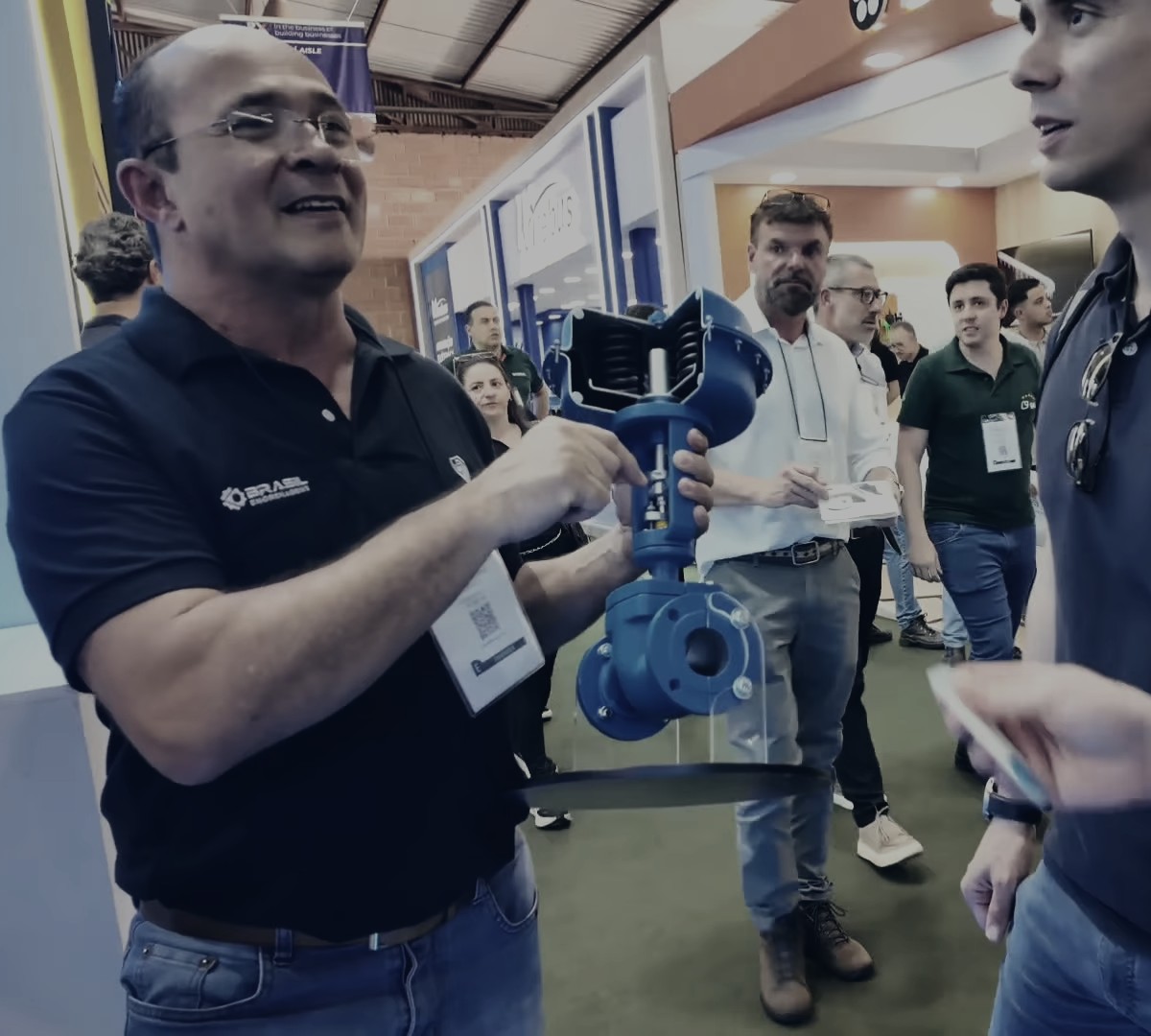
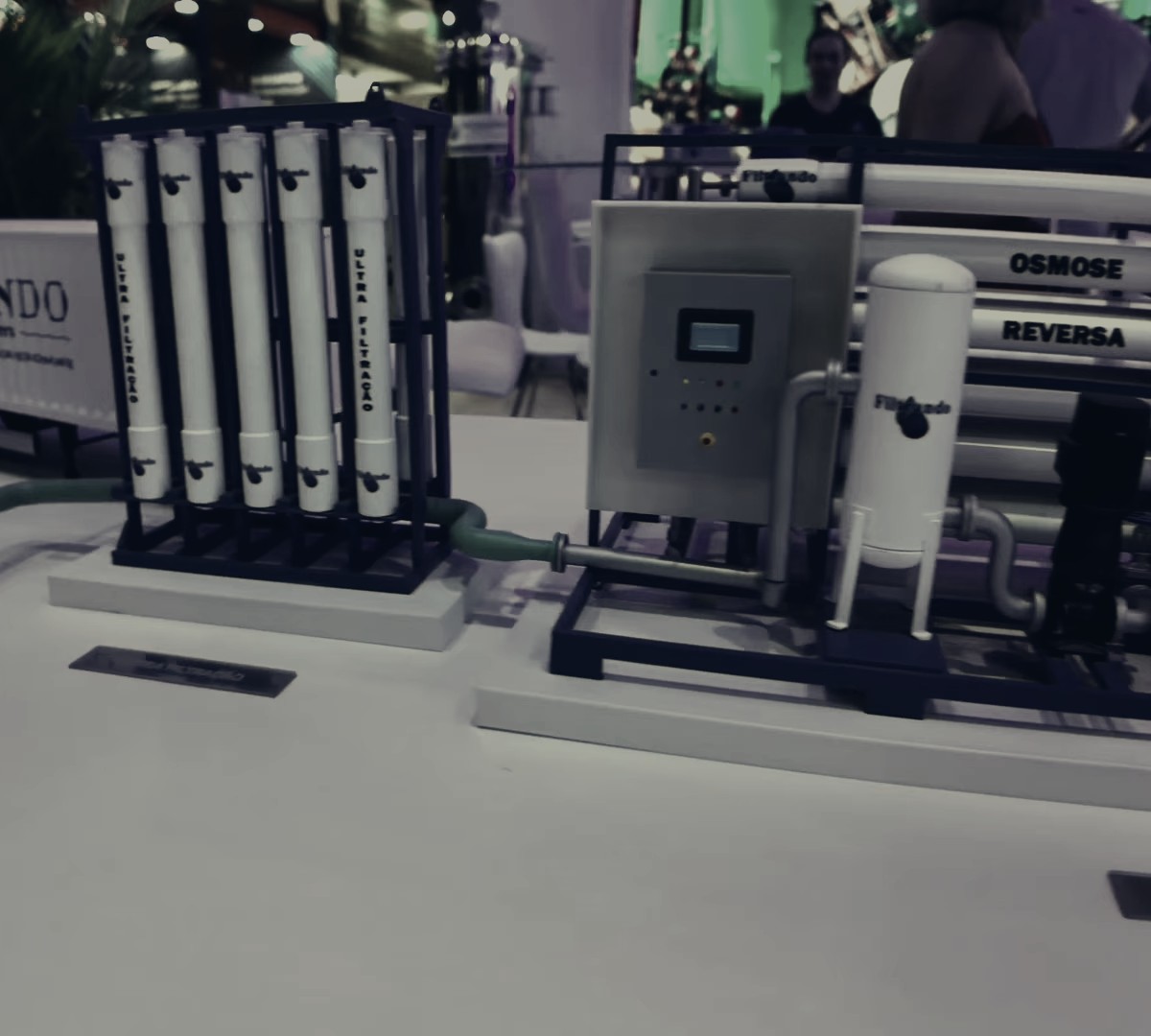 Trade show
The scale piece goes to the booth instead of the real machine.
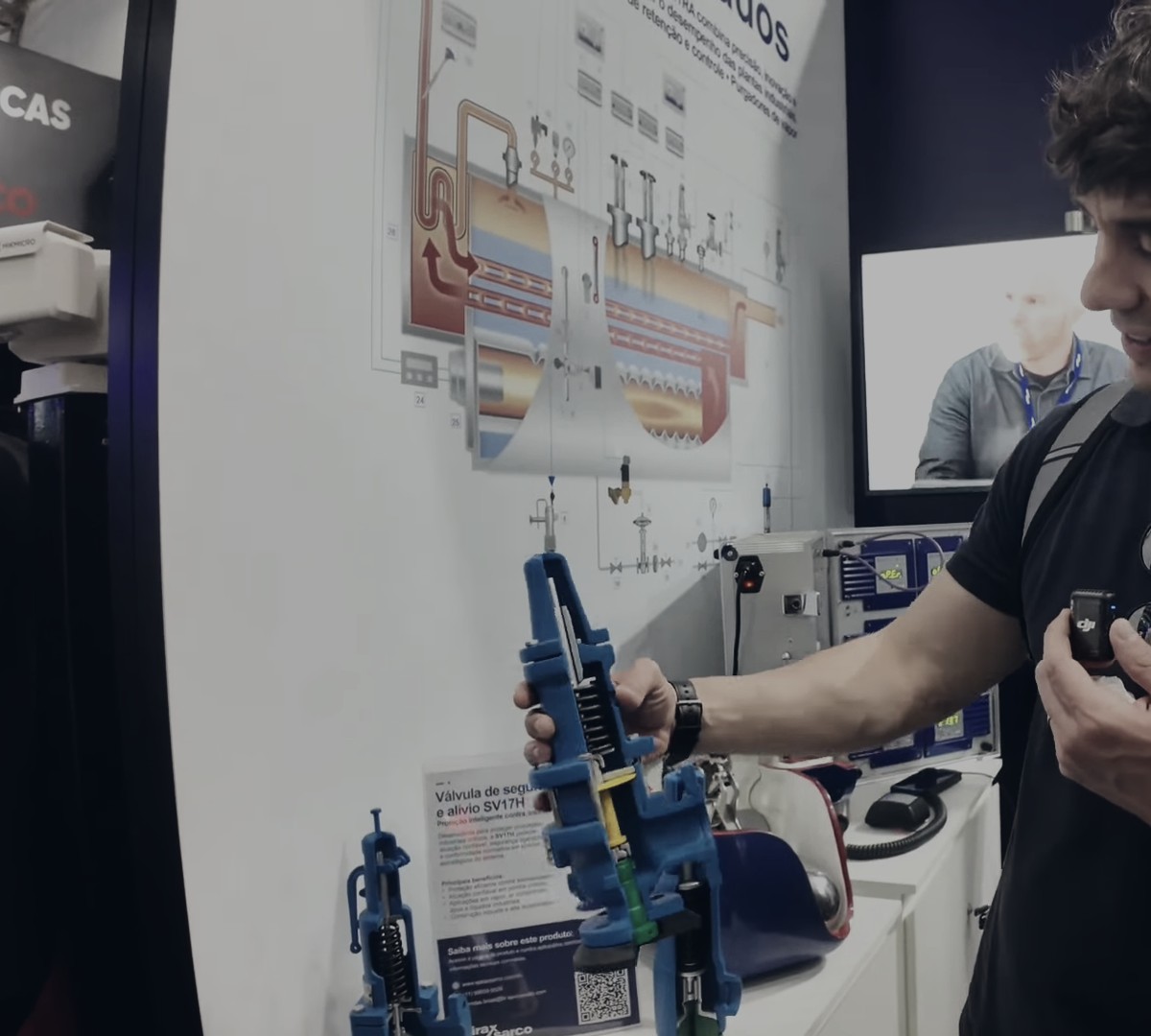
 Training
The machine that cannot stop goes into the classroom, cut open.
 Sales visit
The rep carries in a suitcase what would never fit in one.


Send us the component or the fixture
Tell us where the part will work and how many you need. The engineering review comes back within 24 business hours, with material, feasibility and lead time.