
Resin for 3D printing
Resin for 3D printing: the material for fine detail, printed in SLA. It is the panel, the valve and the miniature that filament cannot resolve.
The material for detail
3D printing resin is a liquid that hardens under ultraviolet light, layer by layer, in an SLA printer. At Tesseract, it is the material for fine detail on small parts.
- The layer is much thinner than in FDM: the detail shows.
- The surface comes out smooth, ready for fine paint.
- A large resin part gets expensive and fragile.
Where resin wins, and where it loses
Wins
- On detail read up close: panel grilles, louvres, valve handwheels.
- On a smooth surface that needs little sanding.
- On miniatures that still have to read clearly.
Loses
- On large parts, which get expensive and fragile.
- On knocks and heat, where ABS and PETG hold up better.
- On parts passed from hand to hand, which need reinforcing or making removable.
Spec sheet
- Technology
- SLA resin
- Tolerance
- ±0.1 mm
- Definition
- Grilles, lettering and handwheels legible up close
- Finish
- Sanding, primer and fine paint
- Limit
- Size and strength
Full spec sheet
- Best for
- Small parts, fine detail and appearance prototypes
- Input
- STL, STEP or OBJ
- Engineering review
- The recommended material, with the reason, before any commitment
The four side by side
Selection criteria, without catalogue figures: what holds for your part comes from the engineering review.
| Criterion | PLA | ABS | PETG | Resin (this page) |
|---|---|---|---|---|
| Load | Gives under constant load | Above PLA under load and impact | Above PLA, and tough | Stiff and more brittle |
| Heat | Softens at around 60 °C | Takes more heat than PETG | Well above PLA | Feels heat more than ABS and PETG do |
| Detail | Limited by the bead width | Same as PLA | Same as PLA | The finest of the four |
| Finish | Takes sanding, primer and paint | Sanding, primer, paint and chemical smoothing | Sanding, primer and paint | Smooth off the printer, ready for fine paint |
| Large parts | Warps little: the most stable | In FDM, in modules if needed | Same as ABS | Gets expensive and fragile |
| Best for | Scale models, appearance prototypes, geometry checks | Parts that run hot, functional prototypes | Jigs, replacement parts, functional prototypes | Panels, valves, miniatures, small prototypes |
| Avoid for | Constant load or heat | Fine detail | Fine detail | Large parts or parts that take a beating |
Where resin comes in
Plant model detail
Railings, stairs and walkways on the FDM structure.
Equipment components
Panels, valves and piping, where the detail carries the information.
Small appearance prototypes
A hand-held product, judged up close by its surface and radii.
SLA miniatures
A whole machine a few centimetres across, with handwheel and dial in place.
When to ask for another material
Better to know before the quote.
Parts bigger than a hand
The structure goes to FDM and resin stays on the detail.
Parts that take a beating
Bench and line work call for ABS or PETG.
Parts near heat
Near a motor or in the sun, the route is ABS.
Common questions
Why not print everything in resin?
Cost and fragility. The bigger the part, the more resin and the higher the risk of breakage; the norm is structure in FDM and detail in resin, on the same model.
Can a resin part be handled?
Presentation handling, yes, with the right finish. Constant mechanical load is a job for ABS or PETG.
How does a resin part join the structure?
Where and how it fits into the FDM structure is decided in the engineering review, piece by piece, before printing. On a model that will be handled, the resin detail can be made removable: if it breaks, only that piece is replaced, not the structure.
Which resin do you use?
Engineering resins, chosen for how the part will be used. Which one goes into your project comes in writing with the engineering review, along with the reason.
Is resin right for a product appearance prototype?
For a small product, yes: surfaces and radii come out as drawn. On a large product, resin goes only where the detail calls for it.

 Trade show
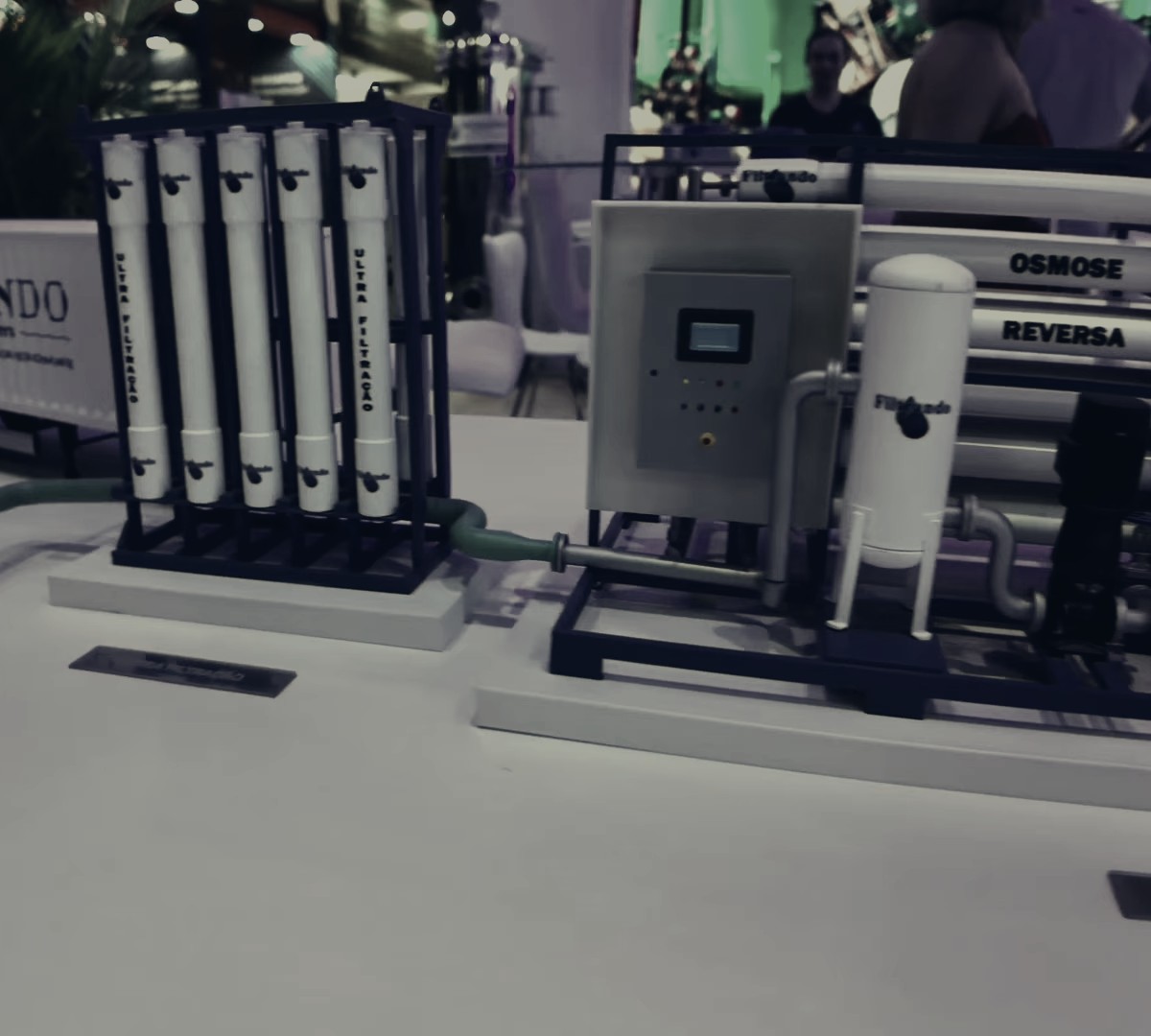
The scale piece goes to the booth instead of the real machine.
 Training
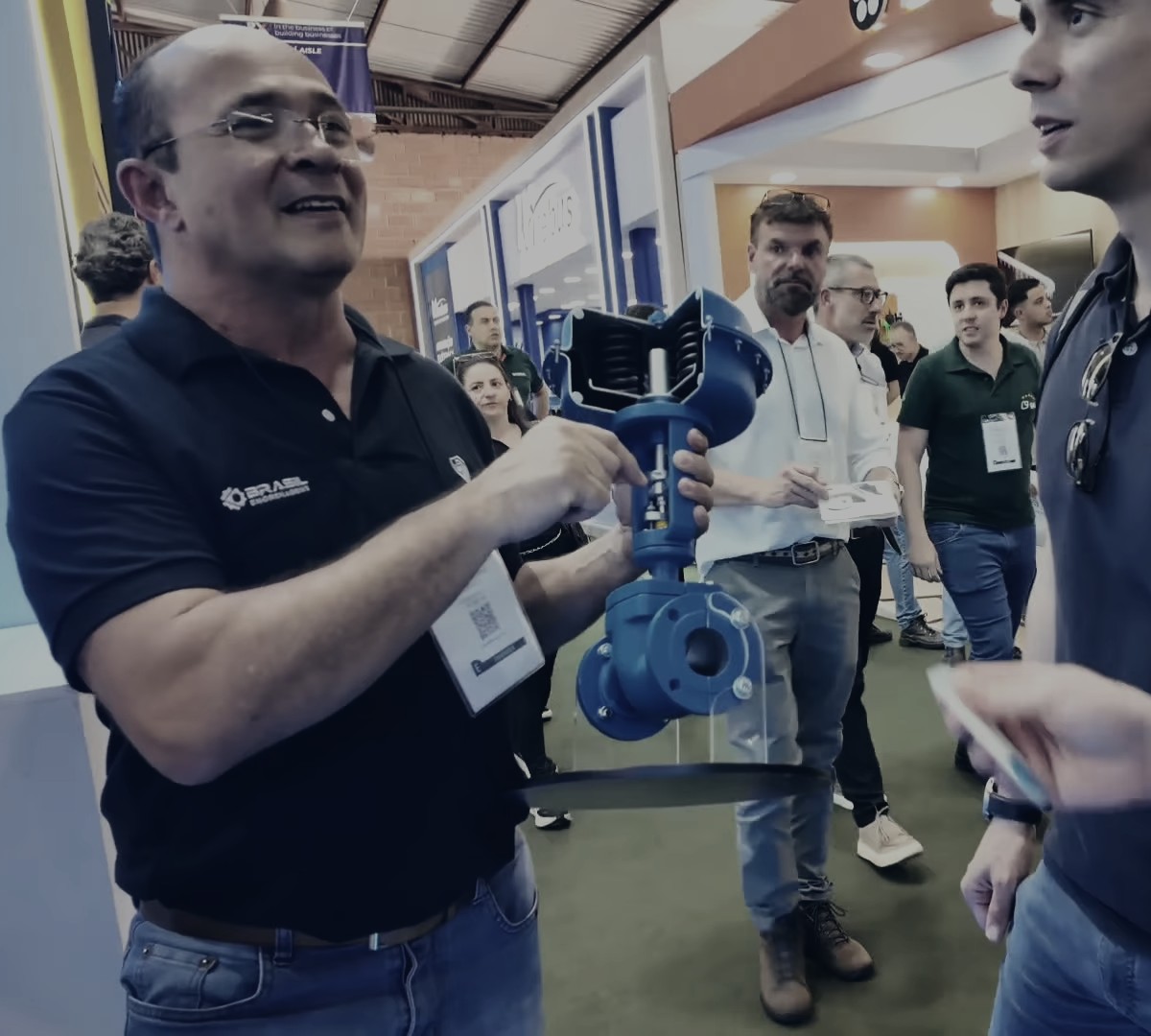
The machine that cannot stop goes into the classroom, cut open.
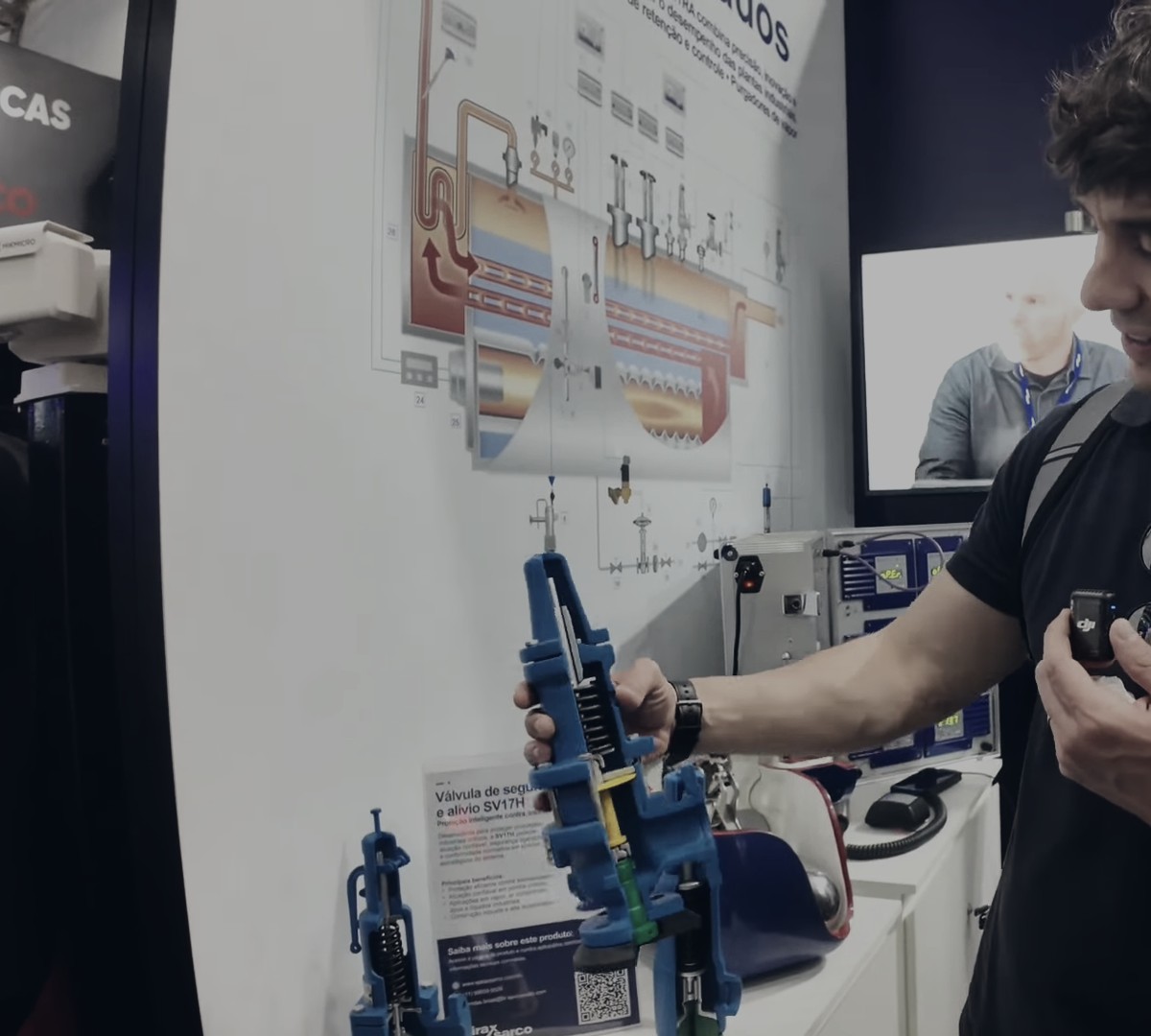 Sales visit
The rep carries in a suitcase what would never fit in one.


Fine detail in the design? Send the file.
The engineering review comes back within 24 business hours saying what goes to resin, what stays in FDM and the lead time.