
Step by step
01 File
It starts in your CAD
- STL
- STEP
- OBJ
An order starts with the 3D file, and the three most common formats work as they are: there is nothing to convert. STEP keeps the exact CAD geometry. STL and OBJ arrive as a triangle mesh, and the review checks that the mesh is closed.
No file? Photos from several angles, the main dimensions or a dimensioned drawing are a starting point too.
02 Review
An answer before you commit
The engineering review comes back within 24 business hours. It looks at the file together with the use you described.
What comes back to you
- Whether the geometry is printable
- The process and material, and why
- A suggested scale, for a scale model
- The lead time and the quote
03 Printing
One layer at a time
The part is built layer by layer, in one of two processes. FDM lays down filament and handles structure, volume and large, strong parts. SLA cures resin with light and takes the fine detail and the small parts.
Plenty of scale models use both: the base and body in FDM, the details in SLA.
Each layer sits on the one below to within ±0.1 mm. That is what lets a printed prototype be used to check an assembly.
04 Finishing
Ready for the boardroom table
Off the printer, the part loses its supports and gets the finish its use calls for: sanding, primer and paint, or only what is needed.
A trade show model usually calls for paint in the brand colours. A fit-check prototype can stay as it came off the printer, because what counts there is dimensional accuracy.
05 Delivery
The part travels to you
Production is in São Paulo and we ship to every country. A large piece can be split into modules for the trip.
From the request to delivery, the conversation runs by email or WhatsApp.
Questions about the process
How do I send the file?
The form has no file field. Send the request, then email or WhatsApp us the file: it joins the same request.
What if the file has a problem?
The review points out what will not print as it is, such as a wall that is too thin, a fit with no clearance or an open mesh, and says what to change. You decide before anything is printed.
What sets the lead time?
The size of the part, how many units, the process and the finish. If there is a fixed date, put it in the request: the review starts from it.
Is the process different for a scale model and a prototype?
The steps are the same. What changes is what matters in each one: for a scale model, scale, detail and paint; for a prototype, material, dimensions and fit.
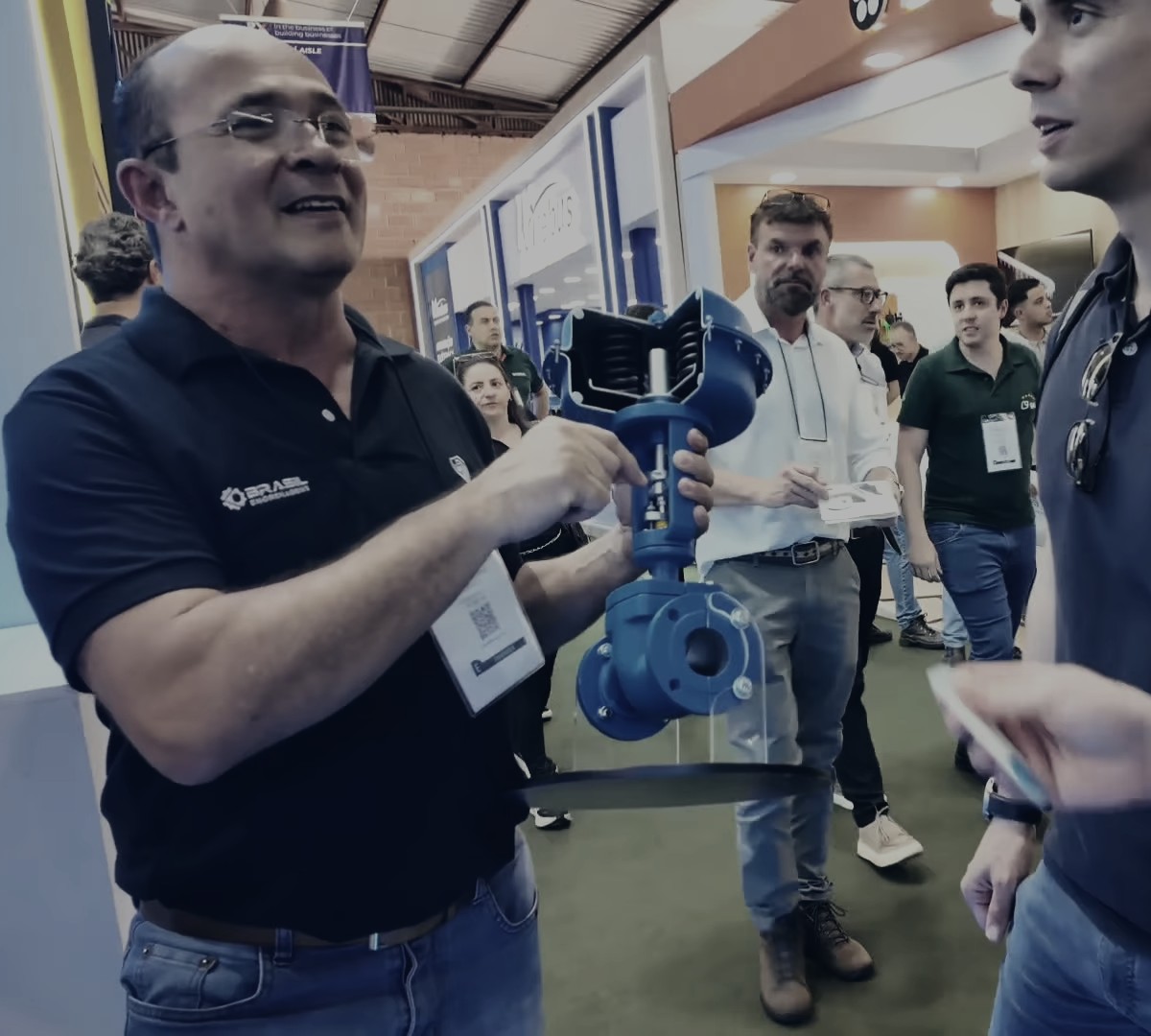
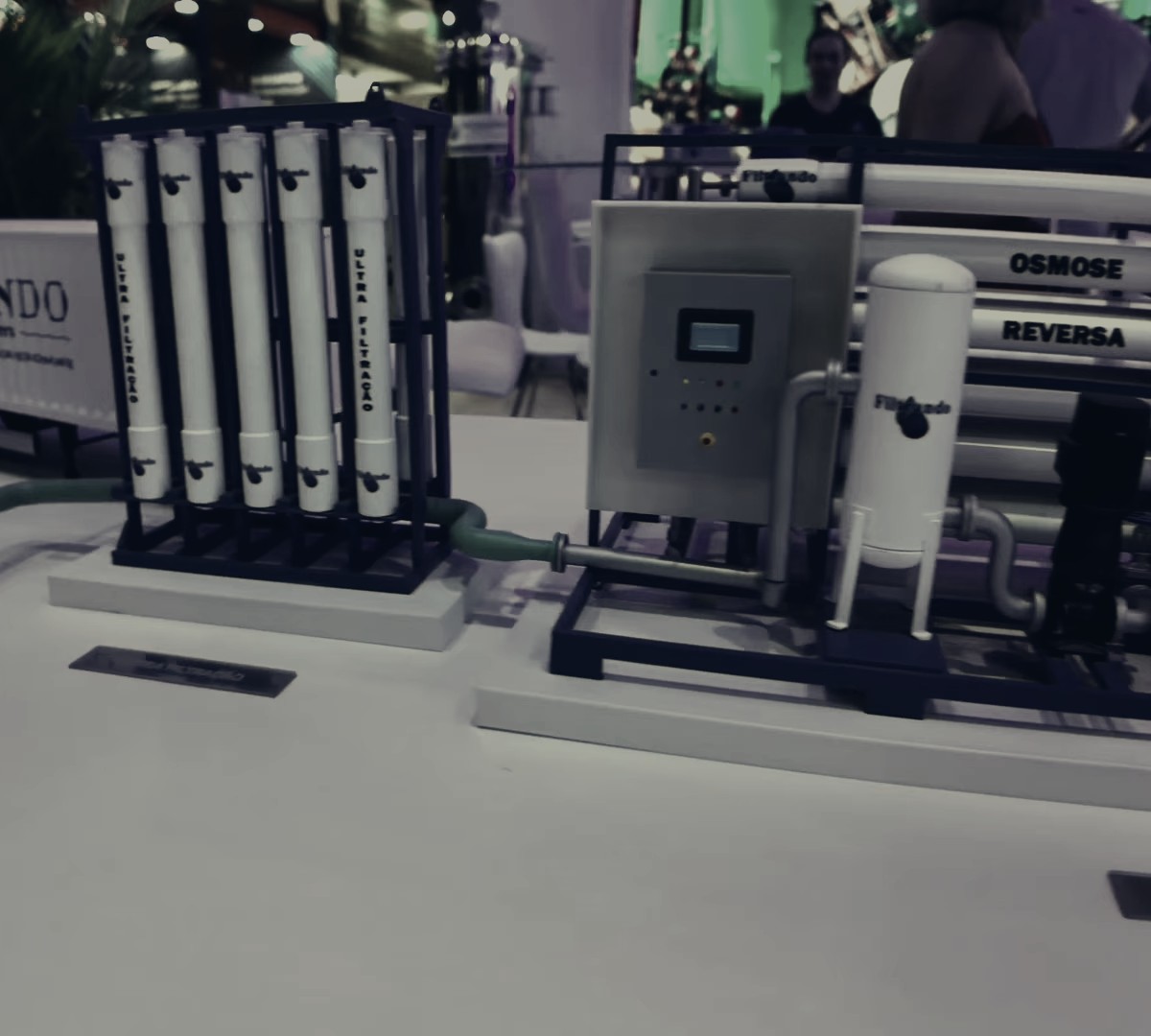 Trade show
The scale piece goes to the booth instead of the real machine.
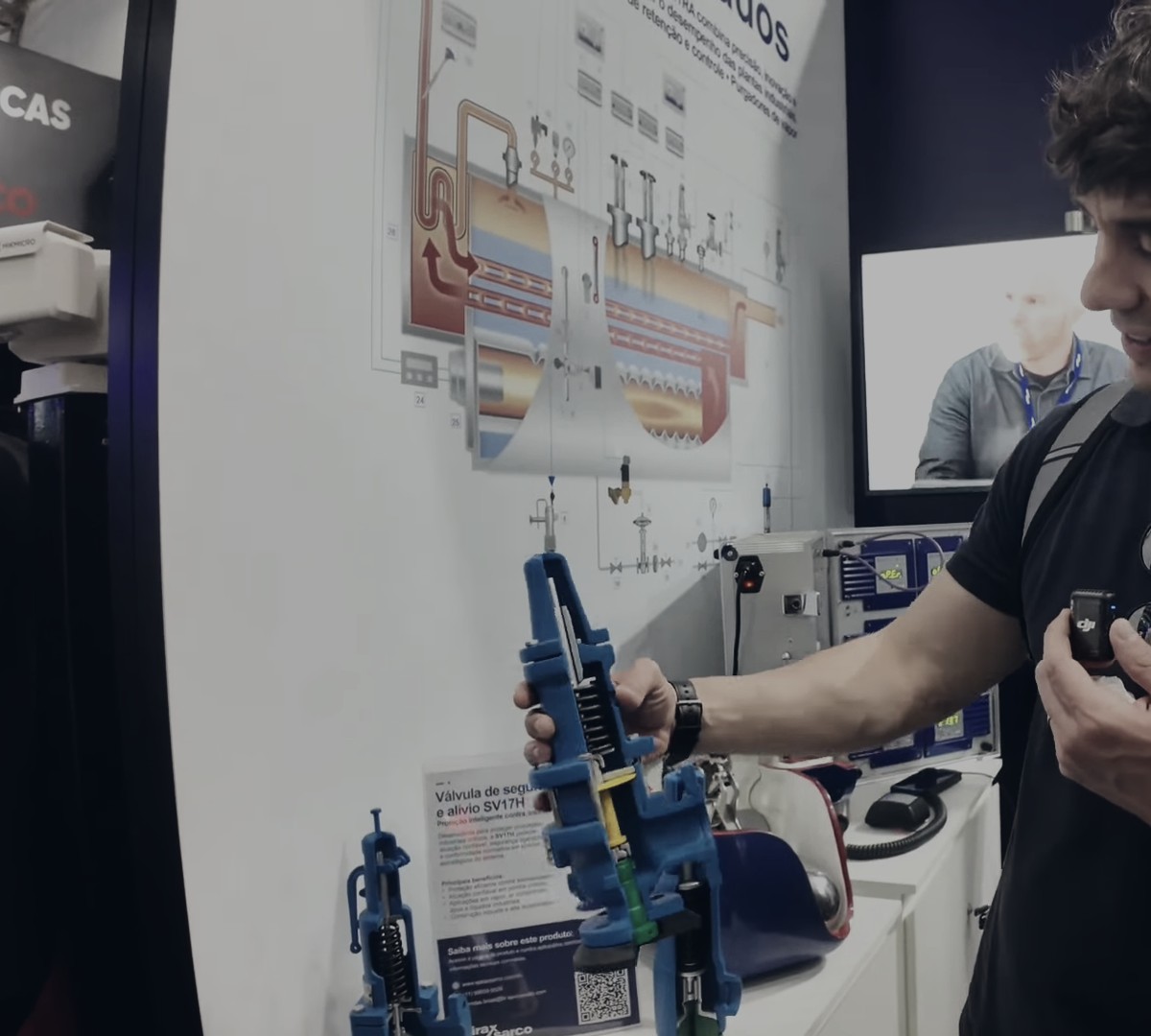
 Training
The machine that cannot stop goes into the classroom, cut open.
 Sales visit
The rep carries in a suitcase what would never fit in one.


Start with the review
Tell us what the part needs to do. The first answer already tells you whether it can be made the way you pictured it.