
FDM or SLA? The two technologies side by side
FDM builds with filament; SLA hardens resin with light. One handles large parts and heavy use, the other holds fine detail. See where each one wins and why a scale model often uses both.
What changes between FDM and SLA
FDM and SLA are the two 3D printing technologies at Tesseract. In FDM, a heated nozzle lays down melted filament, layer by layer; in SLA, ultraviolet light hardens liquid resin, also layer by layer. The first wins on size and strength; the second, on detail and surface.
The question "which one?" is almost always answered part by part, not piece by piece. The table below shows what counts with each.
FDM and SLA side by side
Selection criteria, without numbers: the figures for each project come from the engineering review.
| Criterion | FDM | SLA resin |
|---|---|---|
| How it builds | Lays down melted filament, layer by layer | Hardens liquid resin with light, layer by layer |
| Strength | Large, strong parts at a low cost per volume | Fine detail and a smooth surface on small parts |
| Where it stops | The smallest detail depends on the bead width | Smaller build size; resin is more sensitive to knocks and heat |
| Surface | Visible layers, hidden by sanding and primer | Smooth straight off the printer, ready for fine paint |
| Materials | PLA, ABS and PETG | Engineering resins |
| Best for | Model structures, bases, jigs and functional parts | Panels, valves, fittings, small gears and miniatures |
When to choose each one
The right question is what the part has to withstand and what it has to show.
FDM
When the part is large, will be handled or has to take some load: the structure of a plant model, the base that travels to a trade show, the jig that goes back to the line. Engineering filament such as ABS and PETG copes with heat and impact better than resin, and the cost grows slowly with size.
SLA resin
When what matters is the detail people see up close: the control panel, the valve, the small gear, the keychain with the whole machine on it. The surface comes out smooth and takes fine paint. In exchange, parts are smaller and resin needs more care with heat and knocks.
Why a scale model often uses both
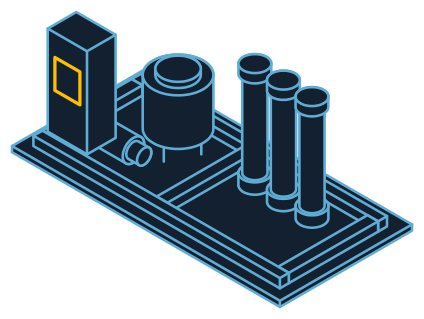
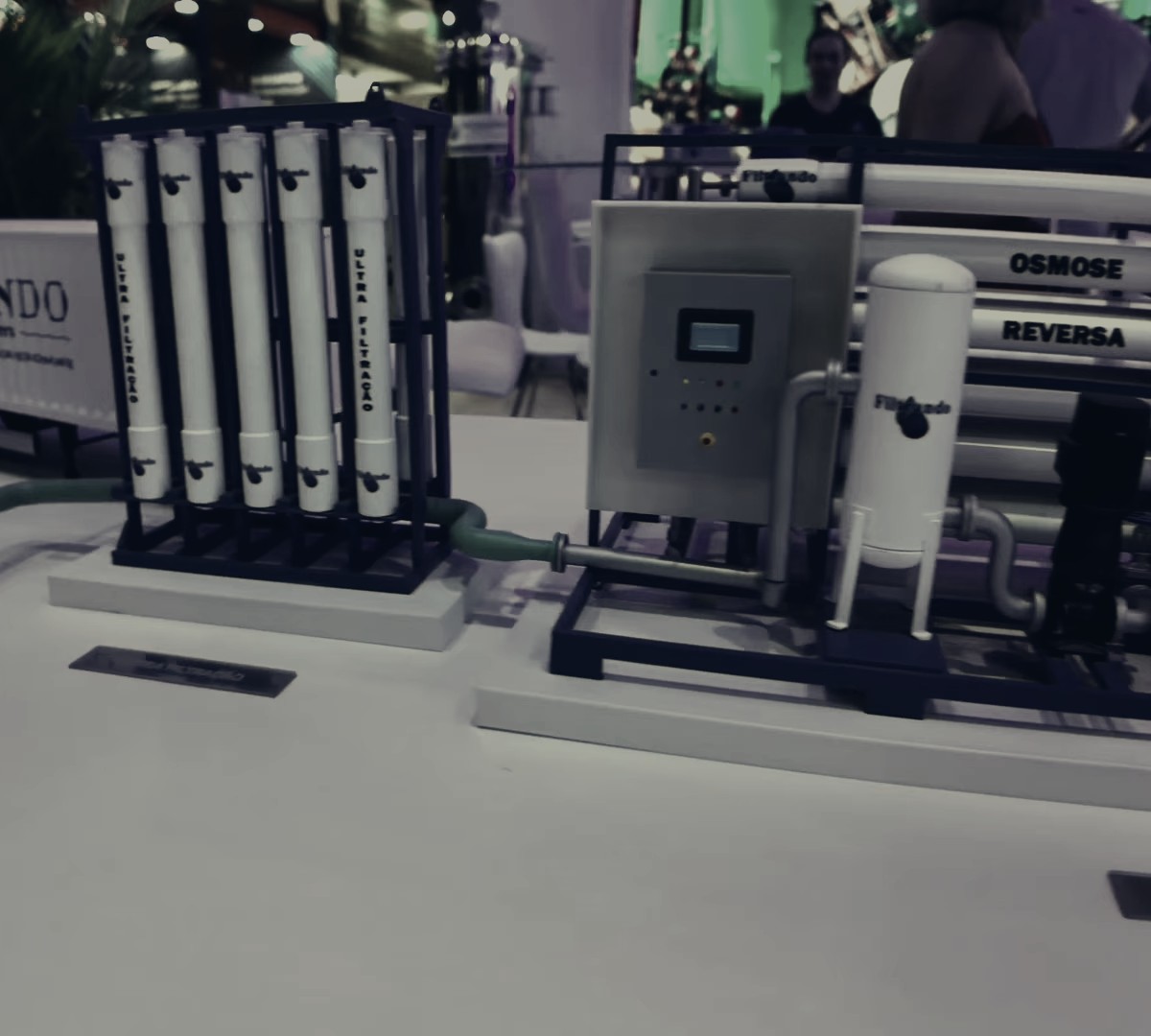
In an equipment model, the structure is printed in FDM and the detailed components in SLA, in the same piece. The engineering review looks at each part of the file and decides where each technology goes.
That is why your request does not need to name a technology. Just say what the piece is for, where it will sit and which detail has to show.
Common questions about FDM and SLA
Which is more precise, FDM or SLA?
For fine detail and a smooth surface, SLA. FDM holds the geometry of larger parts well, but the bead width limits the smallest detail that shows.
Which one costs less?
By volume, usually FDM: the material costs less and large parts print faster. SLA pays off where the detail is the product, on small parts. In a scale model, mixing the two usually gives the best result for the money.
Which one stands up to more use?
FDM in engineering filament, such as ABS and PETG, copes better with impact, handling and heat. Resin is stiffer and more brittle: an SLA part that will be passed around gets reinforced or made removable.
Can parts from both technologies be painted?
Yes. Sanding, primer and paint are in the scope for both. FDM needs more sanding to hide the layers; SLA comes out smooth.
Do I need to say which technology I want?
No. Say what the piece is for, where it will sit and which detail has to show. The engineering review picks the technology for each part and explains why.
Which file formats do you accept?
STL, STEP or OBJ. Without a 3D file, photos and dimensions of the part are also a starting point, and the engineering review tells you what can be done with them.
 Trade show
The scale piece goes to the booth instead of the real machine.
 Training
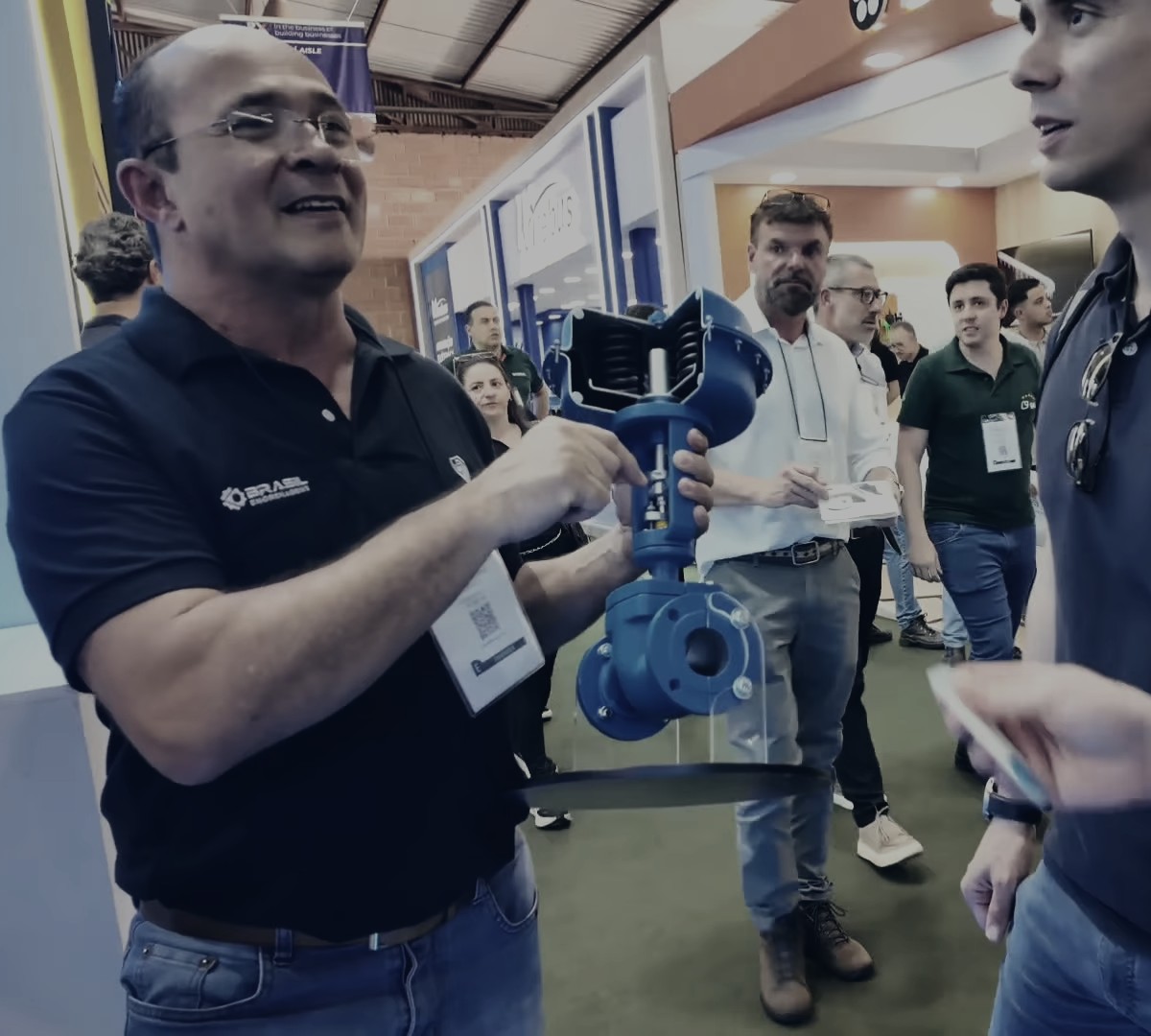
The machine that cannot stop goes into the classroom, cut open.
 Sales visit
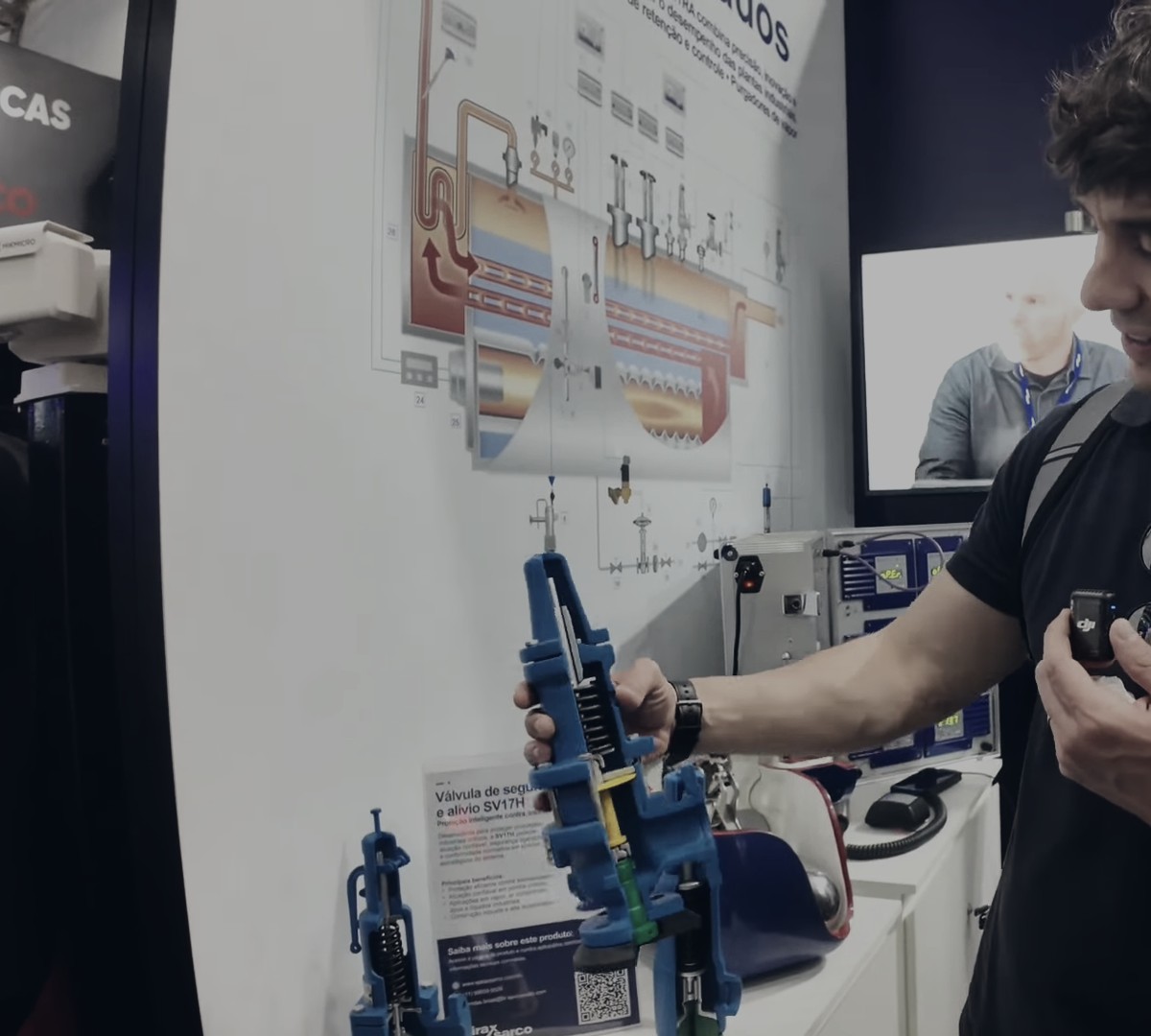
The rep carries in a suitcase what would never fit in one.


Not sure which to pick? Send the file.
The engineering review looks at each part and comes back within 24 business hours with the technology, material and lead time.
- ±0.1 mm
- Ships to every country