
On-demand parts in 3D printing
On-demand parts, 3D printed in short batches with no tooling: replacement parts, jigs and shop-floor fixtures.
When the mould costs more than the problem
An on-demand part is a technical part 3D printed in the quantity the plant needs, with no mould, from a file that becomes the reference for replacing the same item when it runs out.
- Cost per part, without the tooling hurdle.
- The approved file is the item’s reference.
- Replacement parts, jigs, stops and line supports.
The dozen parts nobody wants to make
Tooling only pays off at volume
For a dozen spare parts, a station jig or a fixture that will change with the next line adjustment, a mould never pays off. The plant improvises or waits for the supplier.
The file is the tool
The part is printed in engineering material, in the quantity you order. If the process changes, the file changes and the next part comes out right. Replacing the same item months later means printing the approved file again.
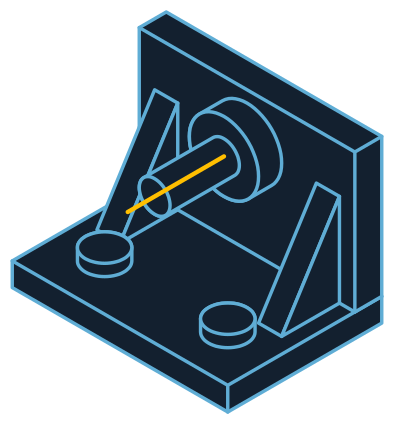
Anatomy of a jig
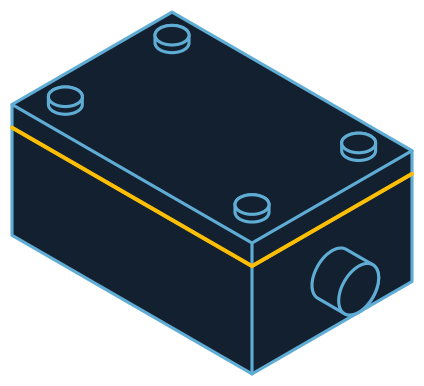
The drawing is a drilling jig; the same thinking works for stops, cradles and line supports.
Illustrative drawing, not to scale. Each project comes from the client’s own file.
- Locating pinsThe workpiece always sits in the same place, so the drilling repeats from part to part.
- Drill bushingThe drill goes through the bushing, at the designed position and angle.
- Part nestThe cradle takes the shape of the part it holds, taken from that part’s CAD.
Spec sheet
- Input
- STL, STEP or OBJ
- Materials
- Engineering ABS and PETG, PLA and resin
- Tolerance
- ±0.1 mm
- Volume
- Short batches from one file
Full spec sheet
- No 3D file
- Technical drawing, dimensions or the old part
- Repeat orders
- The approved file stays as the item’s reference
- Finish
- On request
- Engineering review
- Feasibility, material and lead time before any commitment
- Delivery
- Made in São Paulo, shipped to every country
Print, machine or mould the part?
The maths changes with quantity and with how much the design will still change.
| Process | Volume that pays off | Changing the design | Where it falls short |
|---|---|---|---|
| 3D printing | Single units and short batches | Change the file and print again | Cost per part drops little with volume |
| Machining | A few metal parts | A new machine program | Internal shapes and organic cradles |
| Injection moulding | Thousands of identical parts | Rework the mould | An expensive mould for a small batch |
Where an on-demand part becomes a solution
Training parts
Printed components so the team can practise teardown without touching the spares stock.
Client samples
The client gets the printed item to check on their own equipment before signing.
Fixtures for a new line
Jigs and cradles tested together with the assembly validation.
From the file to the part at the station
The batch lead time comes with the quote.
File
The CAD, the drawing or the old part with dimensions.
Engineering review
Material chosen for the load and where the part works.
Printing
The batch you ordered, all from one file.
Finishing
Only where the function needs it.
Delivery
The parts packed and the approved file kept as reference.
What changes lead time and cost
No list price: the engineering review weighs these points.
- Material
- Engineering material takes more machine hours, and it is what survives the line.
- Quantity
- Cost per part drops little with batch size, so order what the plant actually uses.
- Size
- Large solid parts spend longer on the printer.
- Model preparation
- Without a file, the model is built from the drawing or the old part, and that goes into the quote.
Where a printed part is not the answer
Better to know before the quote.
Production volume
Thousands of identical parts call for a mould. Printing makes sense up to the volume where tooling pays off.
Safety parts
A part that holds critical loads or protects people stays in the material the manufacturer specifies.
Heat and chemicals
Near heat sources or aggressive chemicals, a printed material may not hold up. The engineering review says when printing is not worth it.
Manufacturers that have printed with Tesseract


























Common questions
What if we do not have the part file?
Preparing the model becomes part of the scope and is sized in the engineering review. Send what you have: a technical drawing, dimensions or photos with something for scale.
Will a printed part survive production use?
It depends on the load and the environment, which is what sets the material. Engineering ABS and PETG cover most fixture and spare part cases; the recommendation comes in writing.
Can the same item be reprinted later?
Yes. The approved file stays as the item’s reference, and a replacement comes off it with the same result months later.
Do you make jigs and line fixtures?
Yes. Send the CAD of the part it will hold and tell us the operation: drilling, bonding or inspection.
Print it or wait for the original part?
It depends on what the part does. To keep a machine running until the original arrives, a printed one usually does the job; a safety part waits for the original.
What sets the price?
What weighs most is material, size and quantity. Without a file, model preparation is charged the first time and not again on repeat orders.
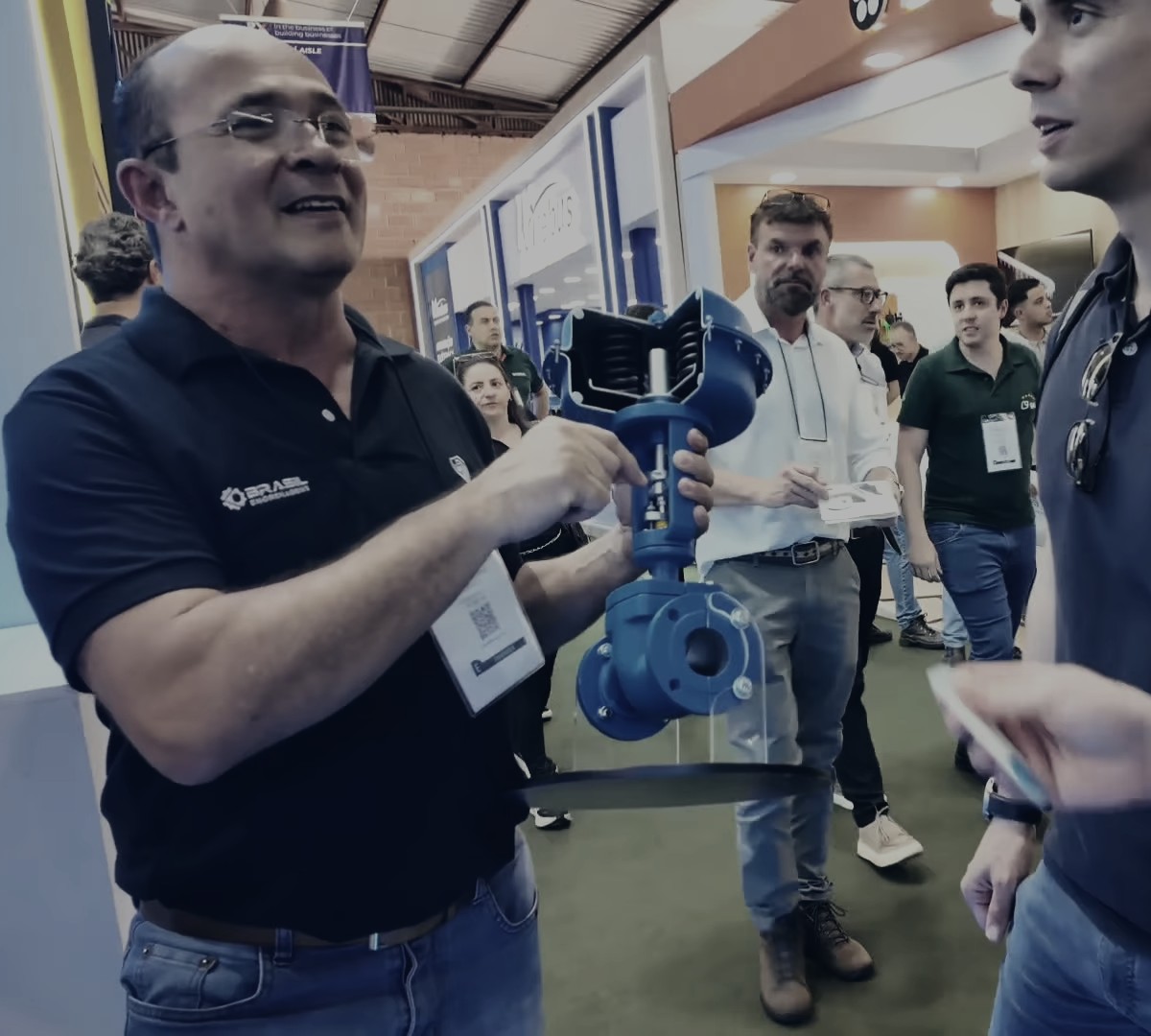
 Trade show
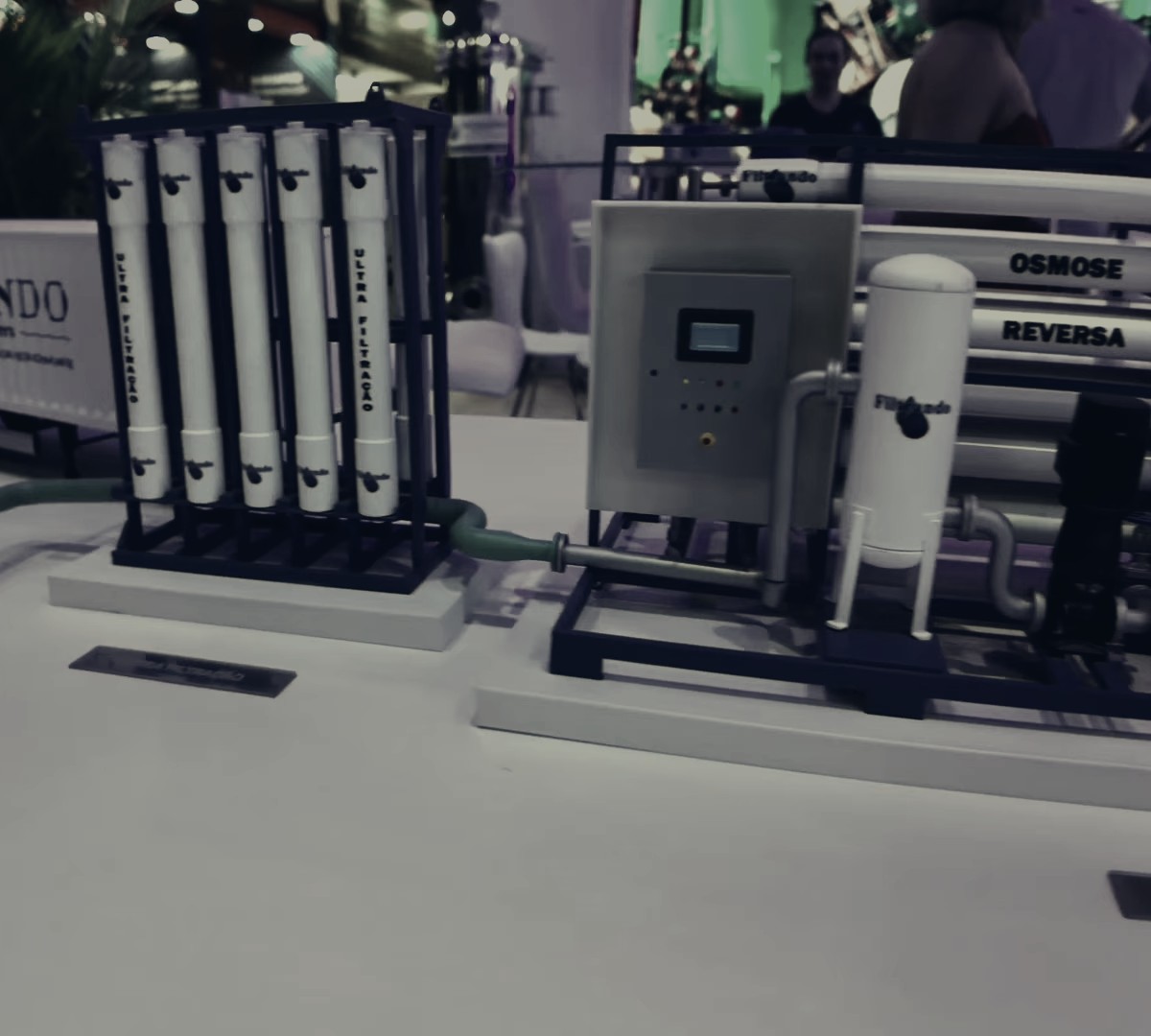
The scale piece goes to the booth instead of the real machine.
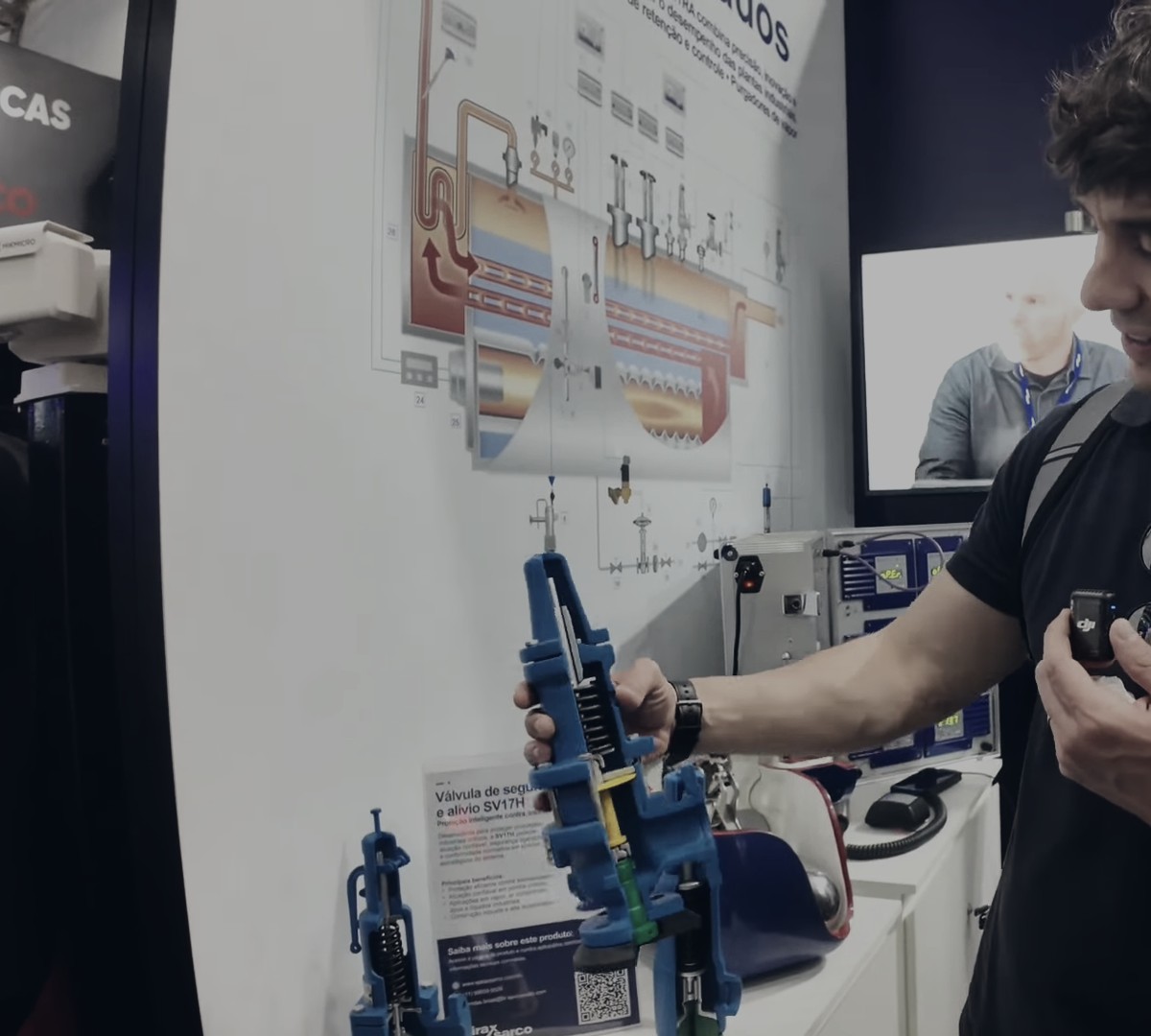
 Training
The machine that cannot stop goes into the classroom, cut open.
 Sales visit
The rep carries in a suitcase what would never fit in one.


A part the line is missing?
Send the file or the dimensions. The engineering review comes back within 24 business hours, with material, cost per unit and batch lead time.