
Get more out of your training
Industrial scale models for training
An industrial scale model for training brings the machine that cannot stop into the training room. Cut open, with parts that come out and go back in.
Training without stopping the line
An industrial scale model for training is a replica of a real machine, 3D printed from the CAD, that a class takes apart without stopping the line.
- It comes from the machine’s CAD, to scale, with the mechanism on show.
- The instructor opens it, shows the inside and puts it back together as often as the class needs.
- The engineering review decides what comes out and what stays fixed.
What the class sees inside
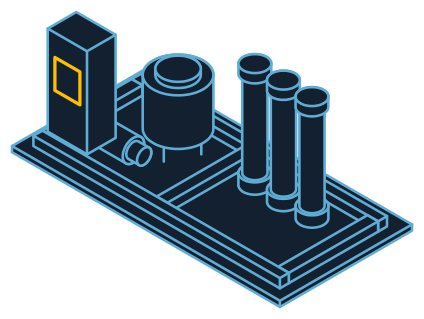
Three features put the piece to work in the lesson, and each project uses the ones the course needs. The drawing shows a gear reducer; the same thinking applies to a pump, a valve, a panel or a whole line.
Illustrative drawing, not to scale. Each project comes from the client’s own file.
- A cutaway that exposes the mechanismThe housing opens at one corner and shows the path inside without taking anything apart.
- Removable partsA gear, a cover or a shaft comes out and goes back in, in assembly order.
- Colour per systemEach system gets its own colour. In the drawing, the rotating set is hatched.
Spec sheet
- Input
- STL, STEP or OBJ
- Teaching features
- Cutaway, removable parts, colour per system
- Tolerance
- ±0.1 mm
- Units
- One per room, or one per class
Full spec sheet
- No 3D file
- Photos from several angles and the main dimensions
- Material
- Chosen for repeated handling in class
- Finish
- Sanding, primer and paint per system
- Engineering review
- Feasibility, material and lead time before any commitment
- Delivery
- Made in São Paulo, shipped to every country
Where a training miniature fits
Operator onboarding
New staff understand the whole machine before they get near it on the line.
Maintenance and safety
Lockout points, access and teardown sequence shown in the hand, away from the slides.
Customer training
Equipment makers train their customers without shipping the machine to them.
Technical schools
The mechanism that does not fit in the lab fits on the classroom bench.
From the machine file to the classroom
The engineering review gives the lead time for each step, along with the quote.
File
The machine CAD, or photos and dimensions of it.
Engineering review
Where to cut, what comes out and which material survives the class.
Printing
FDM for the body, SLA resin for the fine gears.
Finishing
One colour per system, so the class can follow the path.
Delivery
Ready for the first lesson, with every part in place.
What changes lead time and cost
Nothing here has a list price. The engineering review weighs these points before the quote.
- Scale
- The bigger the miniature, the more print hours. The right scale is the one the class can see from the table.
- Removable parts
- Every part that comes out needs its own fit and more assembly. It pays off where the lesson depends on it.
- Fine detail
- Small gears and fittings go to SLA resin, which costs more per part than FDM.
- Colours
- One colour per system adds painting steps. Two or three colours are usually enough.
Manufacturers that have printed with Tesseract



























Common questions
Do I need the CAD file of the machine?
It is the best starting point. Without it, the engineering review works out what can be done from photos, dimensions and drawings, and tells you before any commitment.
Do the removable parts survive classroom use?
Yes. Material and fit are chosen for repeated handling, lesson after lesson, by different classes.
Can you make several units for different classes?
Yes. The approved file stands as the reference, and every new unit comes off it with the same result.
How does the engineering review work?
You send the file, or photos and dimensions, and engineering comes back with feasibility, the recommended material and the lead time, along with the quote. It all happens before any commitment.
Scale model or video: which works better for training?
Both have a place. A video shows the sequence; a scale model lets each person handle the machine, open it and see inside what the video only points at. For assembly and maintenance, where the question is where a part goes, the model is usually what was missing. You can use both: the video before the lesson, the model on the table.
What sets the price?
What weighs most is what the lesson needs: how many parts come out, how much of the mechanism the cutaway shows and how many colours separate the systems. Scale comes next, and the right one is what the class can see from the table. If the budget is fixed, say so in the request: the engineering review starts from it and shows what is worth keeping.
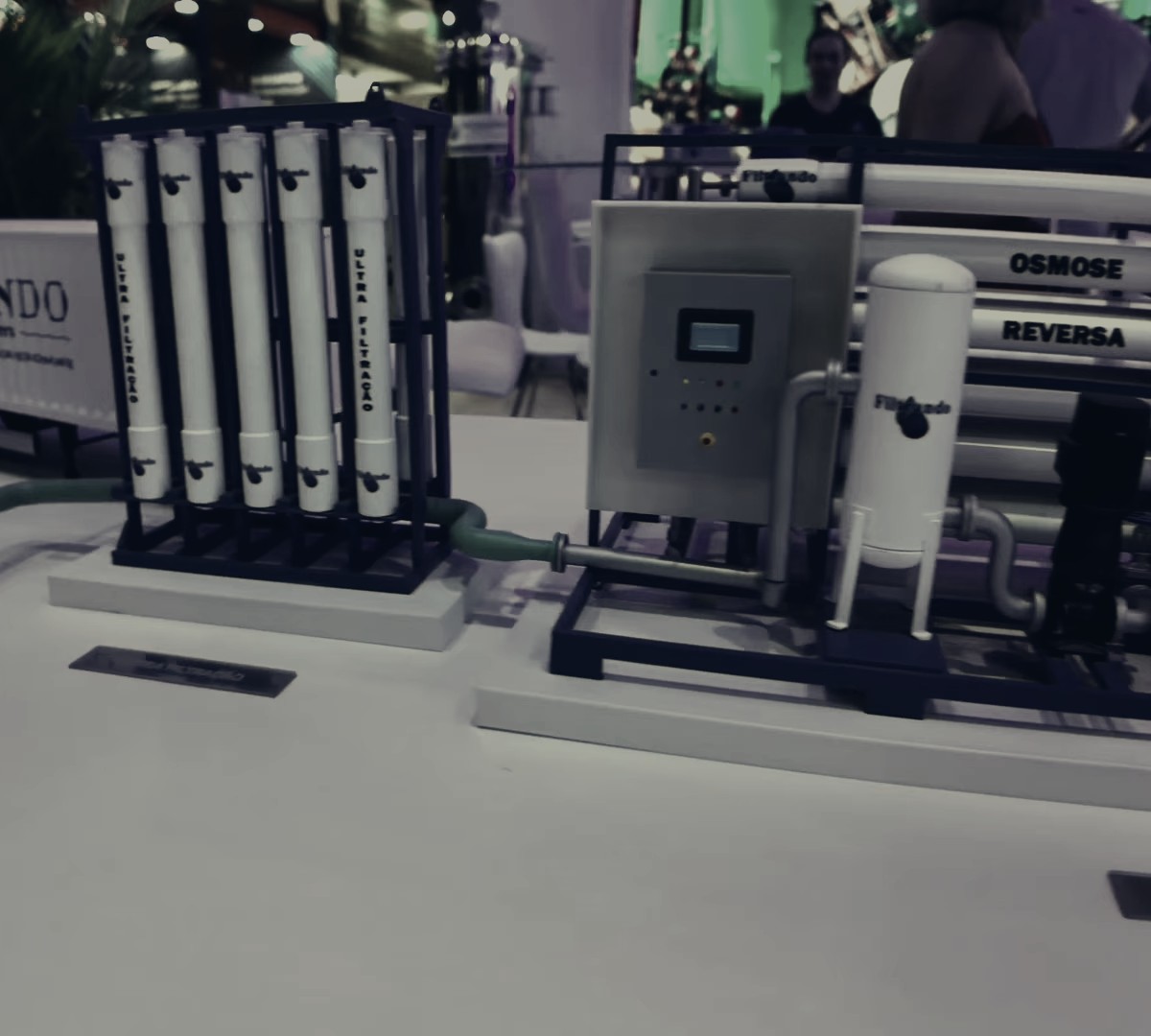 Trade show
The scale piece goes to the booth instead of the real machine.
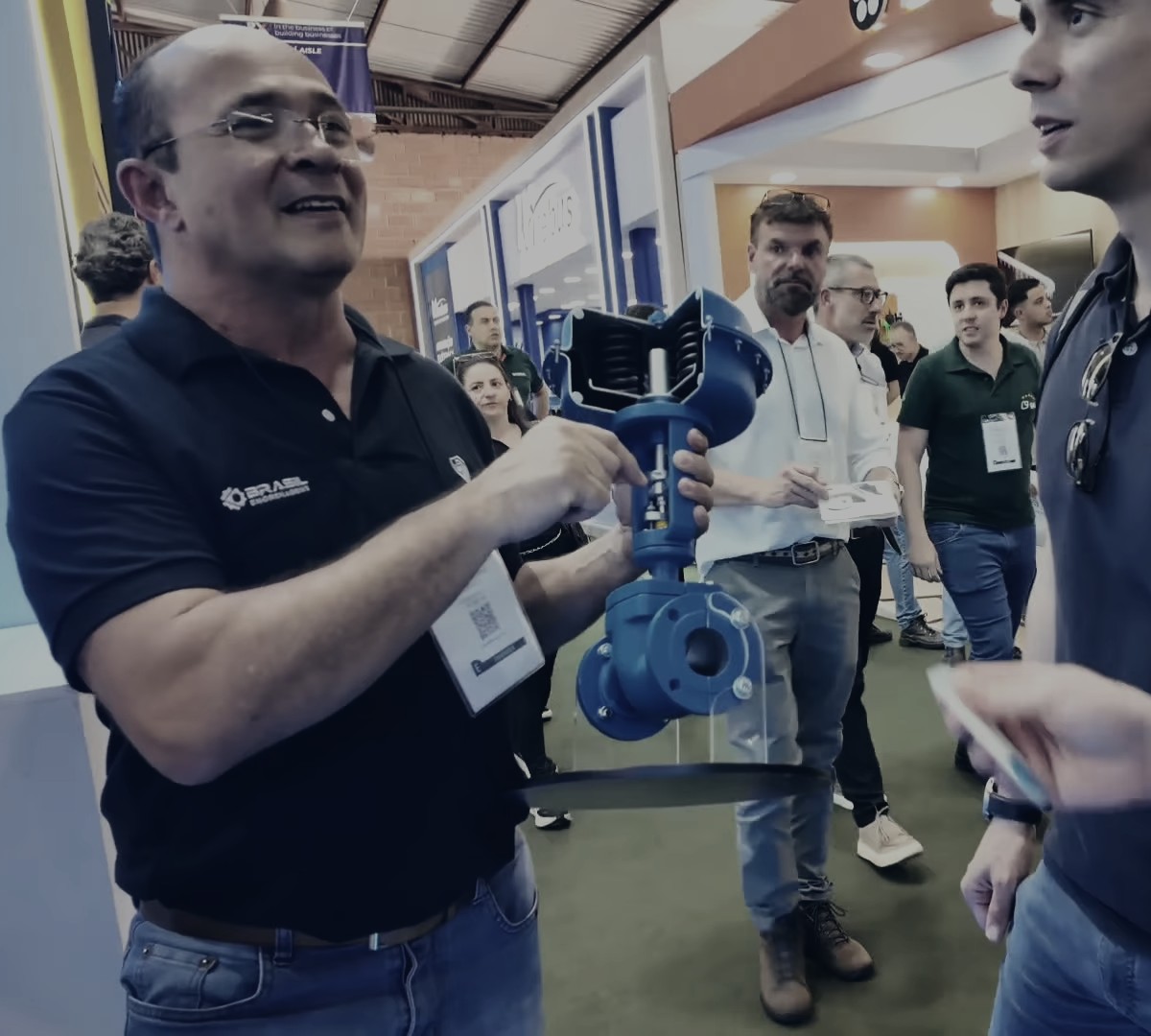 Training
The machine that cannot stop goes into the classroom, cut open.
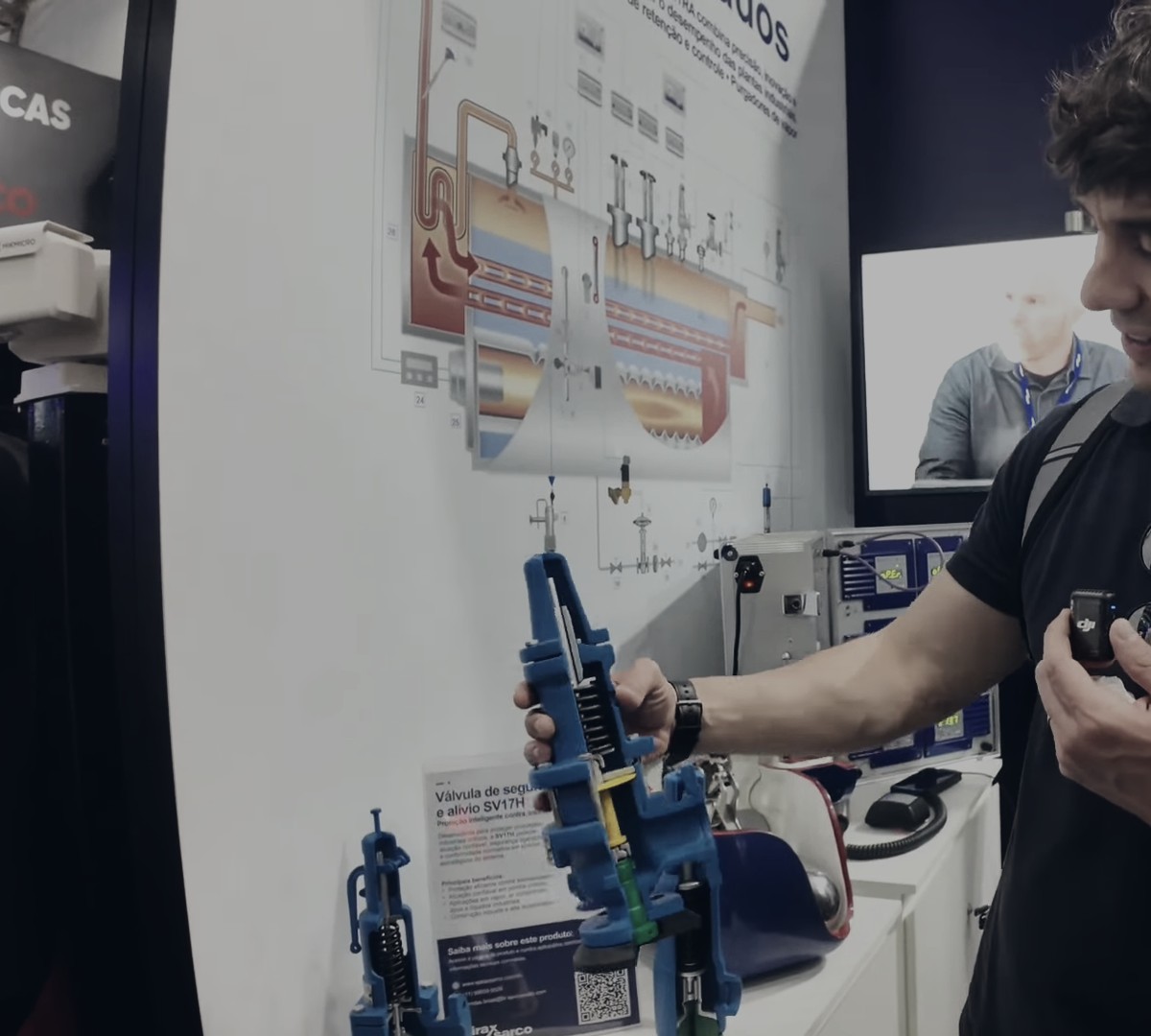 Sales visit
The rep carries in a suitcase what would never fit in one.


A machine that is hard to teach?
Send the file or the photos. The engineering review comes back within 24 business hours, with feasibility, material and lead time.