
PLA for industrial 3D printing
PLA for 3D printing: the most used material for scale models and appearance prototypes. It prints steadily, warps little and takes a finish without fuss.
The scale-model material
PLA (polylactic acid) is a thermoplastic filament printed in FDM. At Tesseract, it is the material for scale models, appearance prototypes and quick rounds that check geometry before the final material.
- It warps little, so large parts come out stable.
- It takes sanding, primer and paint.
- It softens with heat and gives under constant load.
Where PLA wins, and where it loses
Wins
- On a model that sits in a room and gets looked at, not carried.
- On large parts that need to come out straight and flat.
- On volume: it costs little per part.
Loses
- In heat: inside a car in the sun, it deforms.
- Under constant load, which it cannot hold for long.
- On the production line, where jigs and supports call for ABS or PETG.
Spec sheet
- Technology
- FDM
- Tolerance
- ±0.1 mm
- Warping
- Low, good for large parts
- Finish
- Sanding, primer and paint
- Avoid for
- Constant load or heat
Full spec sheet
- Best for
- Scale models, appearance prototypes and geometry checks
- Input
- STL, STEP or OBJ
- Colour
- Painted in the colour you specify
- Engineering review
- The recommended material, with the reason, before any commitment
The four side by side
Selection criteria, without catalogue figures: what holds for your part comes from the engineering review.
| Criterion | PLA (this page) | ABS | PETG | Resin |
|---|---|---|---|---|
| Load | Gives under constant load | Above PLA under load and impact | Above PLA, and tough | Stiff and more brittle |
| Heat | Softens at around 60 °C | Takes more heat than PETG | Well above PLA | Feels heat more than ABS and PETG do |
| Detail | Limited by the bead width | Same as PLA | Same as PLA | The finest of the four |
| Finish | Takes sanding, primer and paint | Sanding, primer, paint and chemical smoothing | Sanding, primer and paint | Smooth off the printer, ready for fine paint |
| Large parts | Warps little: the most stable | In FDM, in modules if needed | Same as ABS | Gets expensive and fragile |
| Best for | Scale models, appearance prototypes, geometry checks | Parts that run hot, functional prototypes | Jigs, replacement parts, functional prototypes | Panels, valves, miniatures, small prototypes |
| Avoid for | Constant load or heat | Fine detail | Fine detail | Large parts or parts that take a beating |
Where PLA comes in
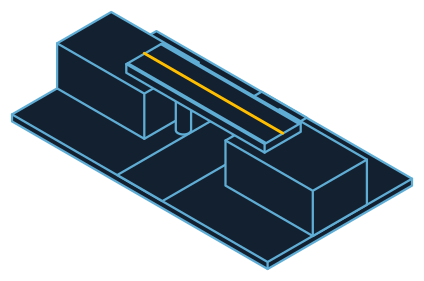
Plant models
The buildings and base of an industrial plant, which need to come out straight.
Appearance prototypes
When shape, proportion and surface are being judged, not strength.
Quick checks
A cheap round to see whether the assembly closes before the final material.
Large models, in FDM
Bigger than the printer bed, it comes out in parts that travel separately and go together on site.
When to ask for another material
Better to know before the quote.
Parts in the sun or near heat
An outdoor stand, a car, near a motor: the conversation turns to ABS.
Line parts
Jigs, guides and supports that work every day come out in ABS or PETG.
Detail smaller than the bead
Panel grilles and small lettering go to resin.
Common questions
Can PLA be used for functional parts?
For fit tests and geometry checks, yes. For constant load, heat or factory use, the route is ABS or PETG, and the engineering review will say so.
Why PLA for scale models?
Because it stays put in an air-conditioned room, away from heat and load. PLA prints steadily on large parts and takes the finish a model needs.
Do layer lines show on PLA?
They do, and sanding and primer take care of them on the faces people see. Where definition is critical, that part comes out in resin.
Can a PLA model travel to a trade show?
It copes with shipping and set-up, as long as it is not left in the heat. A closed car in the sun is the risk: in that case, ask for ABS.
What sets the price of a PLA part?
The size of the part, how much material goes inside and the finish you ask for. In PLA, the same part costs less than in ABS or PETG.

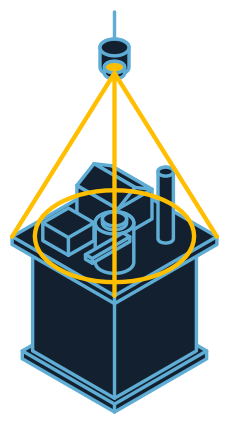
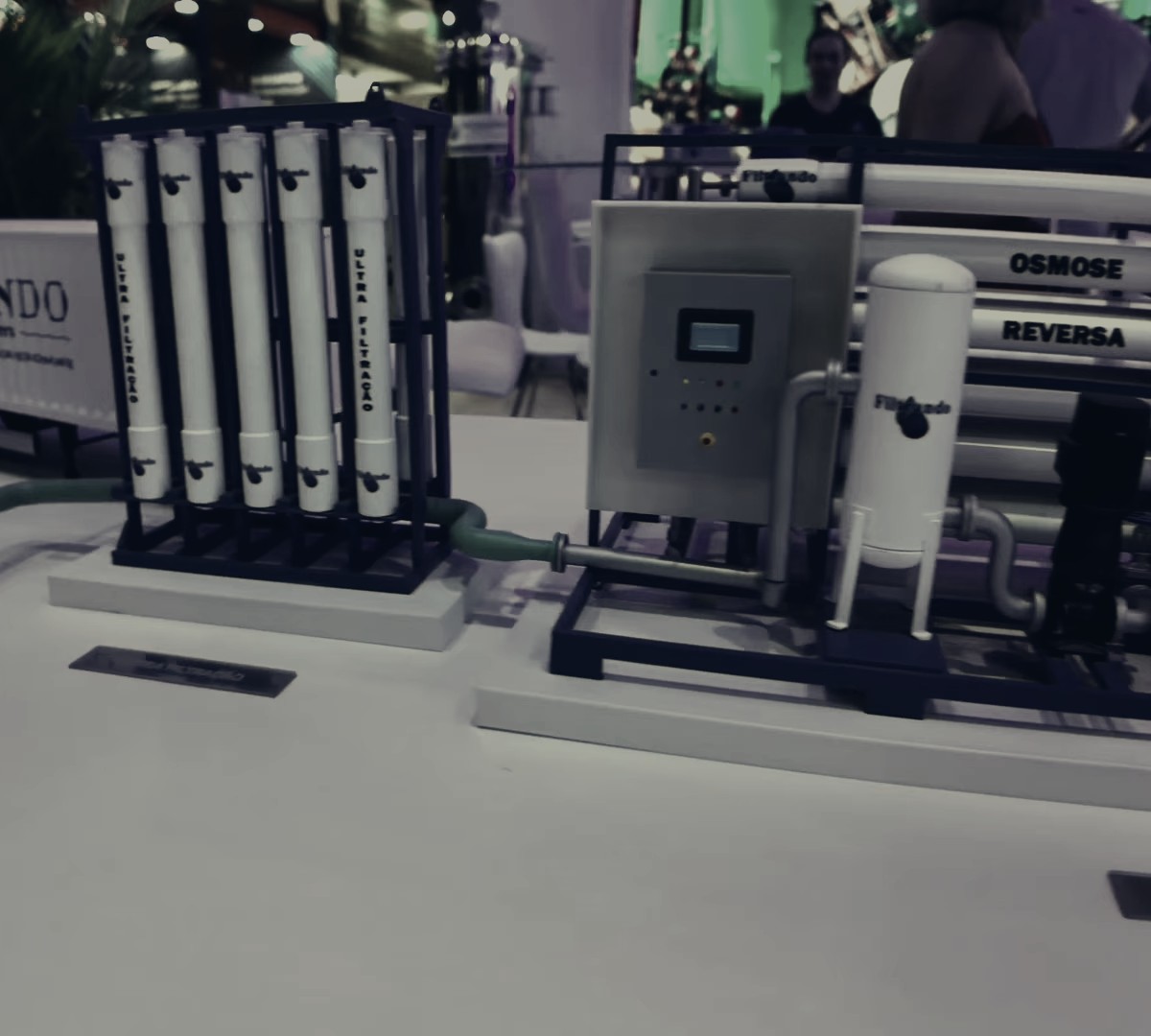 Trade show
The scale piece goes to the booth instead of the real machine.
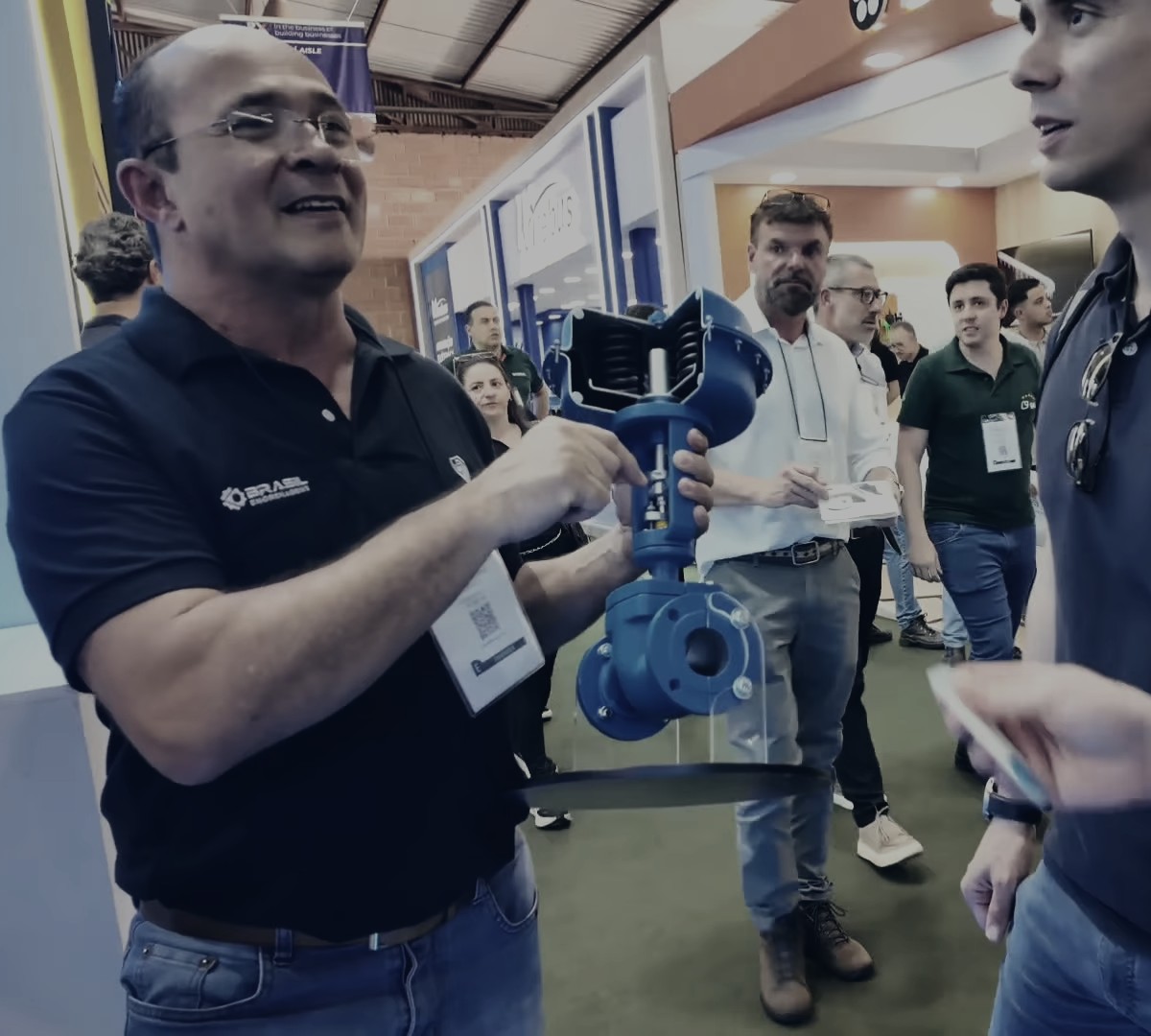 Training
The machine that cannot stop goes into the classroom, cut open.
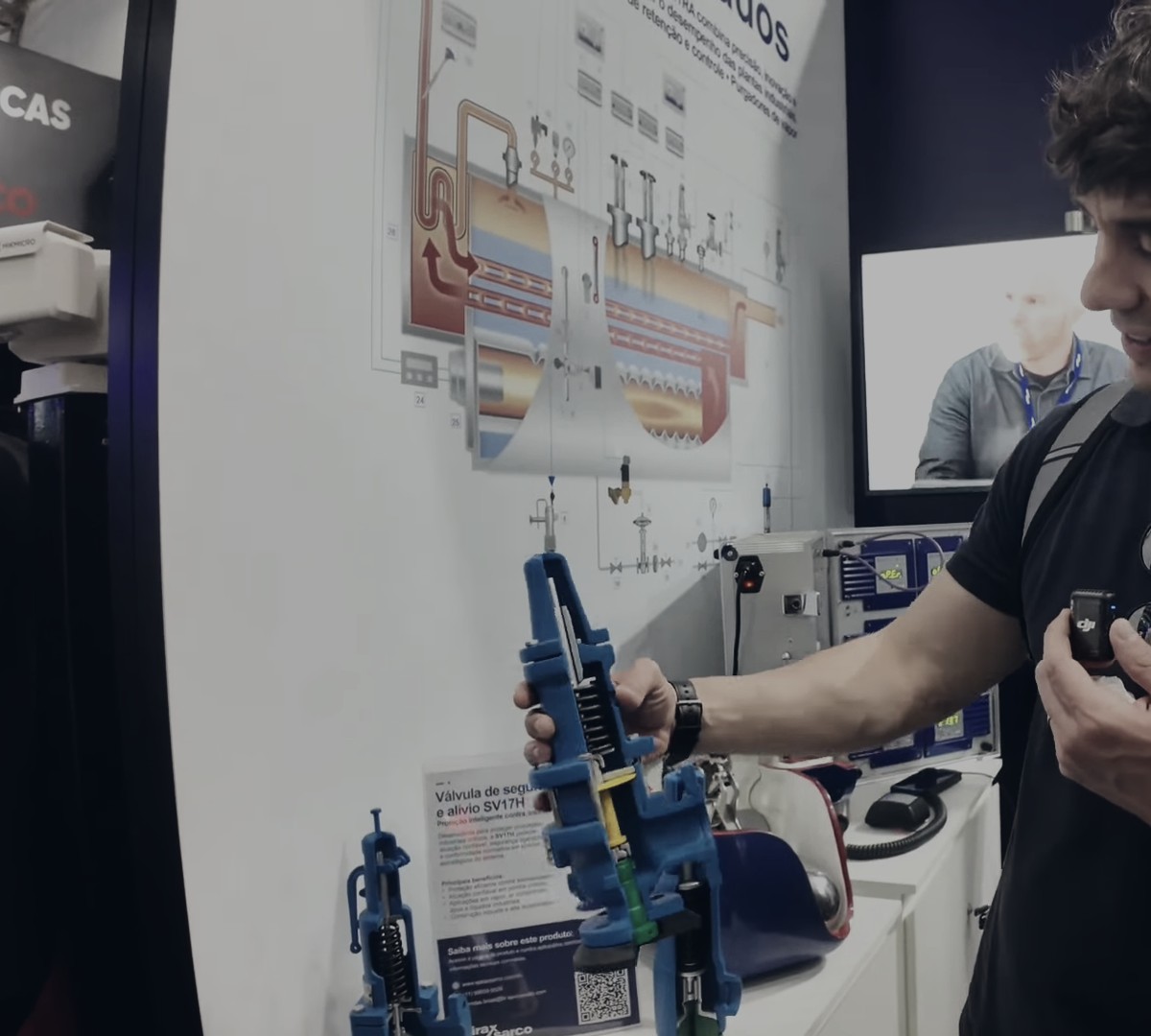 Sales visit
The rep carries in a suitcase what would never fit in one.


A scale model in mind?
Send the file. The engineering review comes back within 24 business hours with the recommended material, the reason and the lead time.
- FDM and SLA
- Ships to every country