
Industrial scale models: how to choose, what to send, how long it takes
How to choose scale, detail and finish, what to send with your request and what drives the lead time. For anyone ordering their first industrial scale model who wants to get it right.
What an industrial scale model is
An industrial scale model, also called an engineering model, is a physical replica of a machine, a plant or a construction project, built to scale from the engineering design. It is used to show, teach or sell what does not fit in a room and never quite shows up whole on a screen.
Today most of them come out of a 3D printer. The CAD file engineering already has becomes a part with no mould and no redrawing, at the scale you ask for, and the same piece can be printed again when the design changes or when you need more than one.
What it is for
The use comes first, because it decides the scale, the finish and even how the piece travels. Most requests fall into five situations.
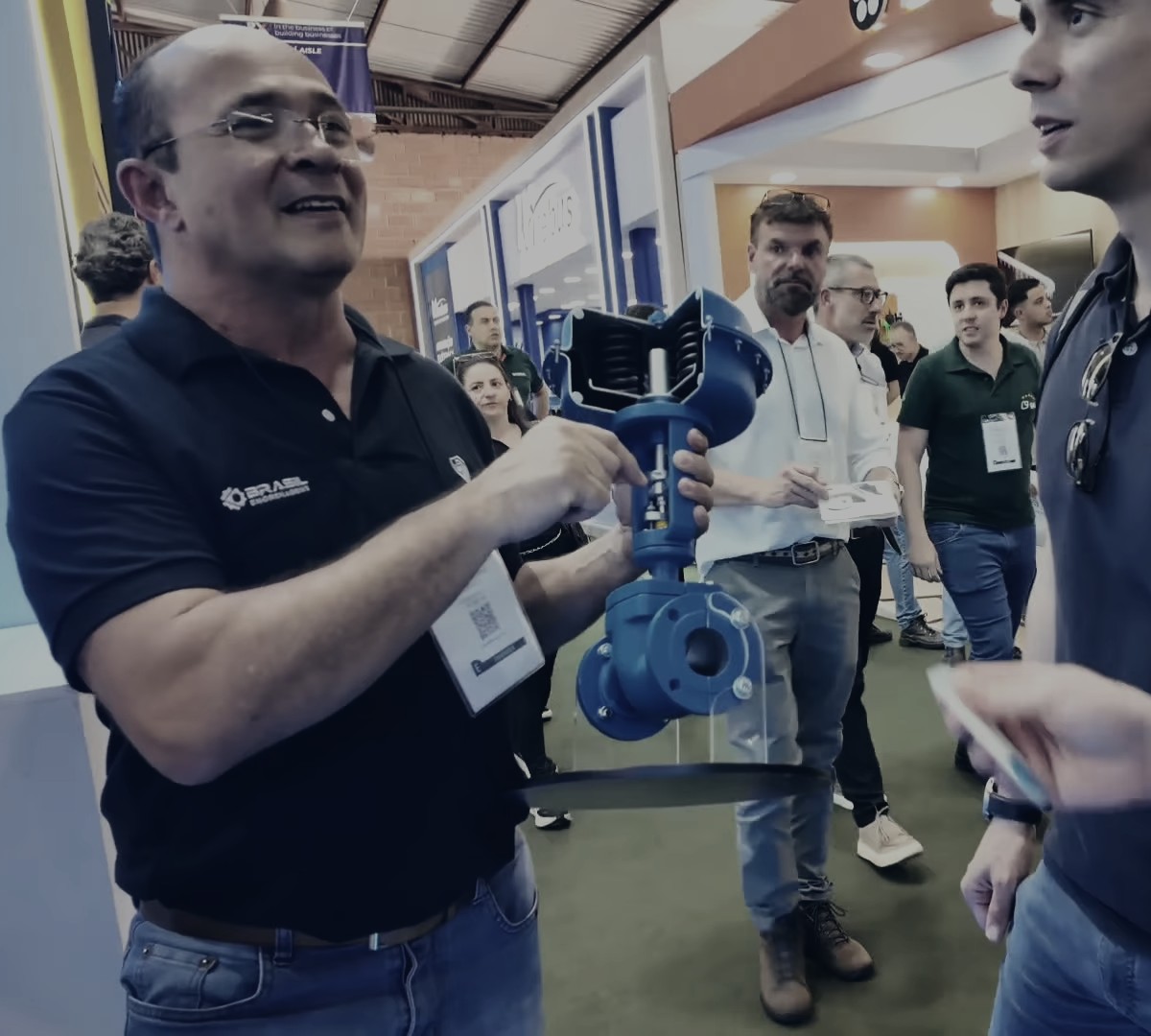
Training
The machine that cannot stop goes into the classroom, cut open, with parts that come out.
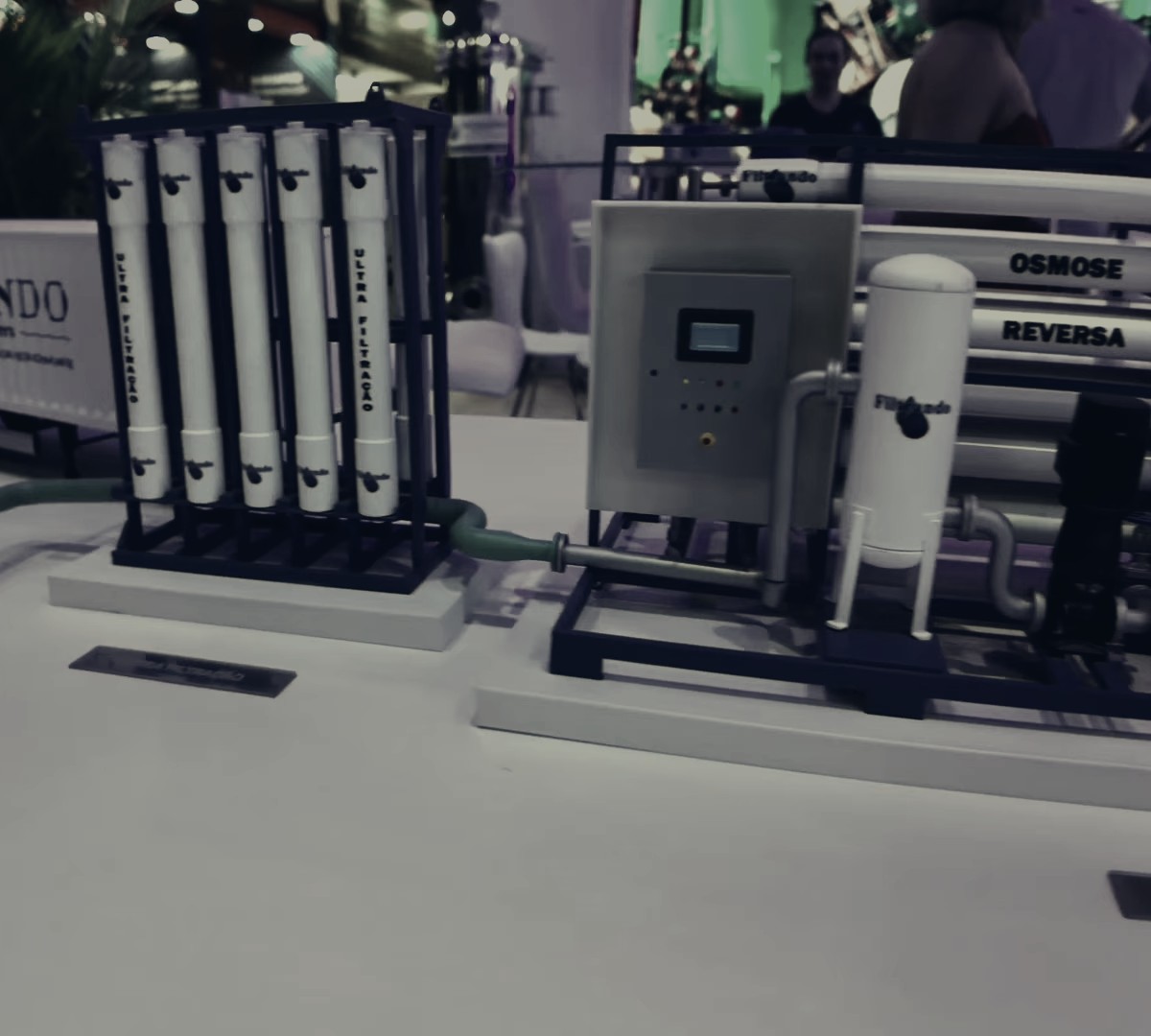
Trade shows and events
The scale piece goes to the booth instead of the real machine.
Sales demonstrations
The rep carries in a suitcase what would never fit in one.
Layout approval
The whole plant on the table, read by several people at once.
A gift for the client
The machine your company builds, scaled down to a desk piece.
How to choose the right model
There are six decisions. None of them has to be settled in the request: the engineering review starts from the use and proposes the rest. But people who arrive having thought them through get a proposal closer to what they pictured.
Who will look at it, and from where
A booth model is seen up close, under strong light. A training model gets passed around. A boardroom model is read from above, around a table.
Scale
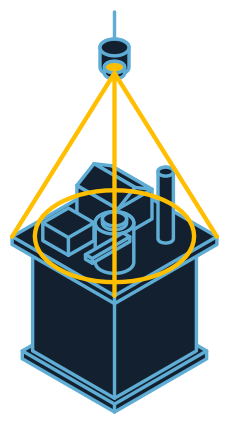
It comes from the space the piece will sit in and the smallest detail that has to show. Too big costs print hours; too small erases what matters.
Level of detail
Not everything in the CAD belongs in the model. Bolts and thin cables usually go; valves, panels and whatever the client recognises stay.
Whole or in modules
A large piece travels better in modules on a single base. The split is decided before printing, along with how it ships.
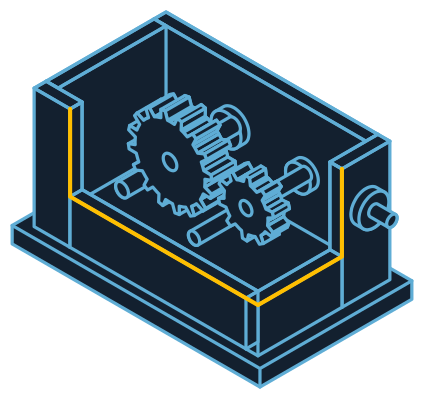
Cutaways and removable parts
For teaching, it pays to show the inside. Every part that comes out needs its own fit and more assembly, so it goes in where the lesson depends on it.
Finish and colour
Sanding, primer and paint are in the scope. One colour per system helps people read it, and every extra colour adds painting steps.
What to send with your request
With this, the engineering review can answer without coming back with questions. If something is missing, send what you have: the file can follow later.
- The file in STL, STEP or OBJ. Without one, photos from several angles and the main dimensions.
- What the model is for and who will look at it.
- The space it will sit in: width, depth and height, and whether it is a table, a counter or the floor.
- The date the piece has to be ready, and the shipping date if that comes first.
- How many units, and the brand colour reference.
How long it takes
There is no single lead time. What counts is the size of the piece, the level of detail, how many modules and colours it has and how many units you need. That is why the lead time comes out of the engineering review, along with scale and material, within 24 business hours of your request.
If there is a fixed date, a trade show or a board meeting, say so in the request. The review shows whether the window works and what to adjust to make it work: scale, detail or splitting into modules.
What drives the cost
Price follows the same variables as lead time: print hours, material, paint and assembly. Size counts, but what usually weighs most is the detail that has to show and the number of separate parts.
If the budget is fixed, say so in the request. The engineering review starts from it and shows what is worth keeping and what can be simplified without losing what the model has to say.
Common questions about industrial scale models
What is the difference between an industrial scale model and an engineering model?
In practice, none. Both names describe a scale replica of a machine, a plant or a construction project, built from the design. "Engineering model" is a reminder that the piece comes from the technical drawing, not from an illustration.
Do I need a 3D file to order a model?
It is the best starting point: STL, STEP or OBJ. Without one, photos from several angles and the main dimensions are enough to begin, and the engineering review tells you what can be done with them.
A 3D printed model or a handmade one?
A 3D printed model comes straight from the CAD, at the scale you ask for, and repeats the same piece as often as needed, with sanding, primer and paint in the scope. For machines and plants with complex geometry, starting from the file saves redrawing the piece by hand.
Which printing technology goes into a scale model?
Usually both: FDM for the structure and the bulk, SLA resin where detail has to be fine, such as panels, valves and fittings. The side-by-side comparison is in the "FDM or SLA?" guide.
How long does an industrial scale model take?
It depends on size, detail, modules and paint. The engineering review gives you the lead time along with the quote; with the event date in your request, it also tells you what fits the window.
Do you make models for companies outside Brazil?
Yes. Production is in São Paulo and we ship to every country. The request and the engineering review happen remotely, by email or WhatsApp.
 Trade show
The scale piece goes to the booth instead of the real machine.
 Training
The machine that cannot stop goes into the classroom, cut open.
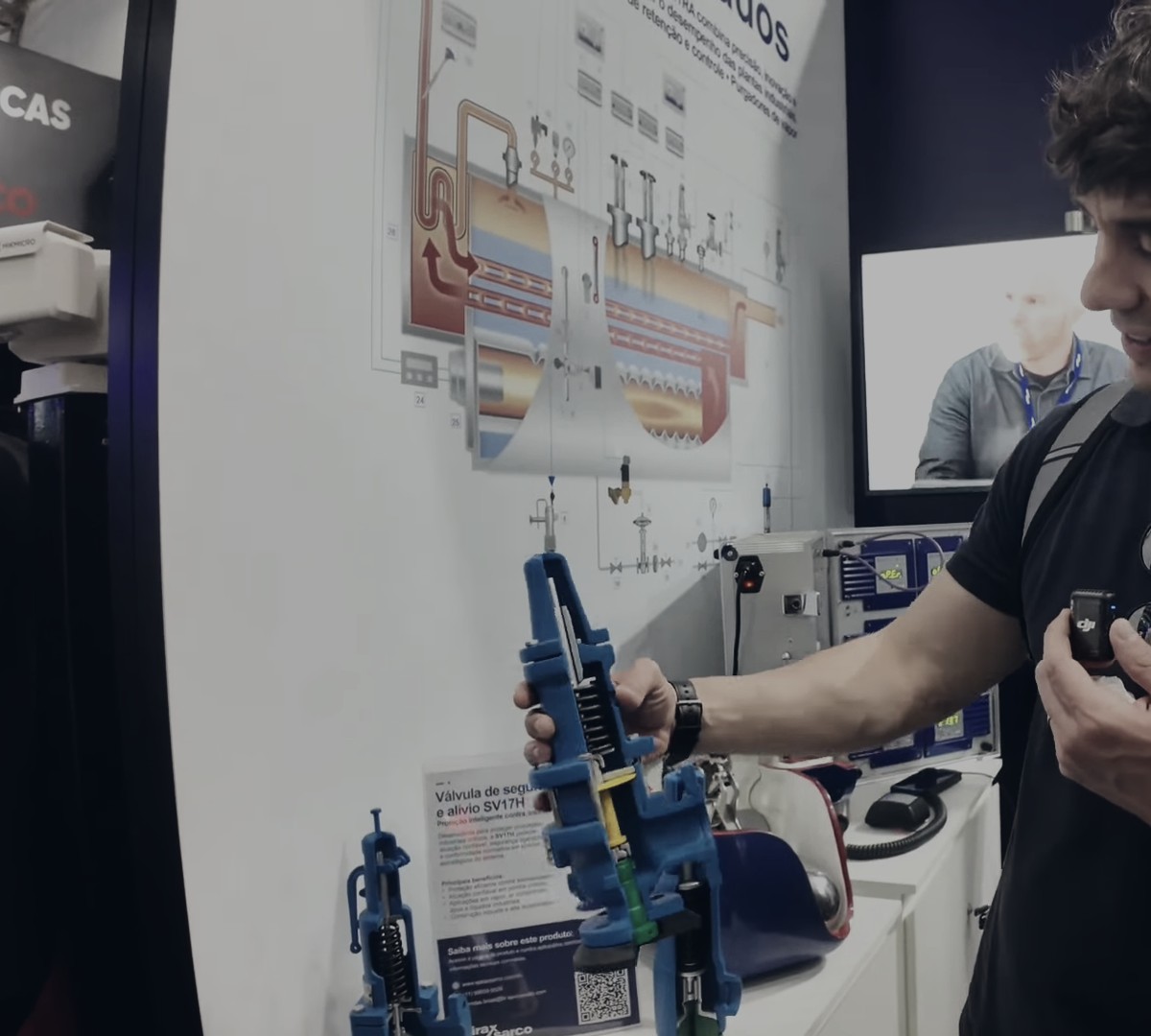 Sales visit
The rep carries in a suitcase what would never fit in one.


Ready to order your scale model?
Send the file, or photos and dimensions, with the use and the date. The engineering review comes back with scale, material and lead time.