
ABS and PETG for 3D printing
ABS and PETG for 3D printing: more resistance to load and heat than PLA, for functional prototypes and factory fixtures.
The filaments for parts that work
ABS and PETG are engineering thermoplastic filaments printed in FDM. They come in when a part will take load, heat or both: bench prototypes, station jigs, line supports, replacement parts.
- They print in FDM, like PLA, and work where it gives way.
- PETG is easier to print and tough.
- ABS takes higher temperatures and accepts chemical smoothing.
Where ABS and PETG win, and where they lose
Win
- On parts that take a beating on the bench and show where the design went wrong.
- At a line station, with heat and daily use.
- On jigs remade when the process changes, without tooling.
Lose
- On fine detail: the bead sets the limit, as with PLA.
- On surface, where layers show until finishing.
- On cost, with more machine time than PLA.
Spec sheet
- Technology
- FDM
- Tolerance
- ±0.1 mm
- Strength
- For load, impact and daily use
- Heat
- Well above PLA; ABS ahead of PETG
- Finish
- Sanding, primer and paint; ABS takes chemical smoothing
Full spec sheet
- Best for
- Functional prototypes, factory fixtures and replacement parts
- Input
- STL, STEP or OBJ
- Colour
- Painted in the colour you specify
- Engineering review
- The recommended material, with the reason, before any commitment
The four side by side
Selection criteria, without catalogue figures: what holds for your part comes from the engineering review.
| Criterion | PLA | ABS (this page) | PETG (this page) | Resin |
|---|---|---|---|---|
| Load | Gives under constant load | Above PLA under load and impact | Above PLA, and tough | Stiff and more brittle |
| Heat | Softens at around 60 °C | Takes more heat than PETG | Well above PLA | Feels heat more than ABS and PETG do |
| Detail | Limited by the bead width | Same as PLA | Same as PLA | The finest of the four |
| Finish | Takes sanding, primer and paint | Sanding, primer, paint and chemical smoothing | Sanding, primer and paint | Smooth off the printer, ready for fine paint |
| Large parts | Warps little: the most stable | In FDM, in modules if needed | Same as ABS | Gets expensive and fragile |
| Best for | Scale models, appearance prototypes, geometry checks | Parts that run hot, functional prototypes | Jigs, replacement parts, functional prototypes | Panels, valves, miniatures, small prototypes |
| Avoid for | Constant load or heat | Fine detail | Fine detail | Large parts or parts that take a beating |
Where ABS and PETG come in
Functional prototypes
The part that will take load and be assembled and taken apart.
Factory fixtures
Jigs, guides and stops made for the station they will work at.
Assembly validation
The assembly on the bench before the mould, with real clearances and access.
Replacement parts in FDM
A worn machine part, printed again without waiting for a mould.
When to ask for another material
Better to know before the quote.
Detail read up close
Panels, small valves and miniatures come out in resin.
Presentation models
If the part will only be looked at, PLA warps less and costs less.
Many identical parts
For a large repeat batch, an injection mould starts to pay off.
Common questions
ABS or PETG?
It depends on the station where the part will work. Near heat, or with chemical smoothing in the request, the conversation starts with ABS; otherwise PETG is the simpler one to print. The recommendation comes in writing with the engineering review.
Will it hold up in production use?
Yes, when the material matches the station: fixtures and replacement parts are made for it. What decides it is the load and temperature where the part will work.
What is chemical smoothing?
A finish in which a solvent softens the surface of ABS and blurs the layers. Only ABS takes it; if your part needs it, say so in your request.
Can you remake a replacement part without the original drawing?
Photos from several angles and the main measurements are a starting point. The engineering review tells you what can be done with them and whether the part is worth modelling.
Can the geometry be checked in PLA before ABS?
Yes, and it costs less: a PLA round checks fit and shape, and the final part goes to ABS or PETG.

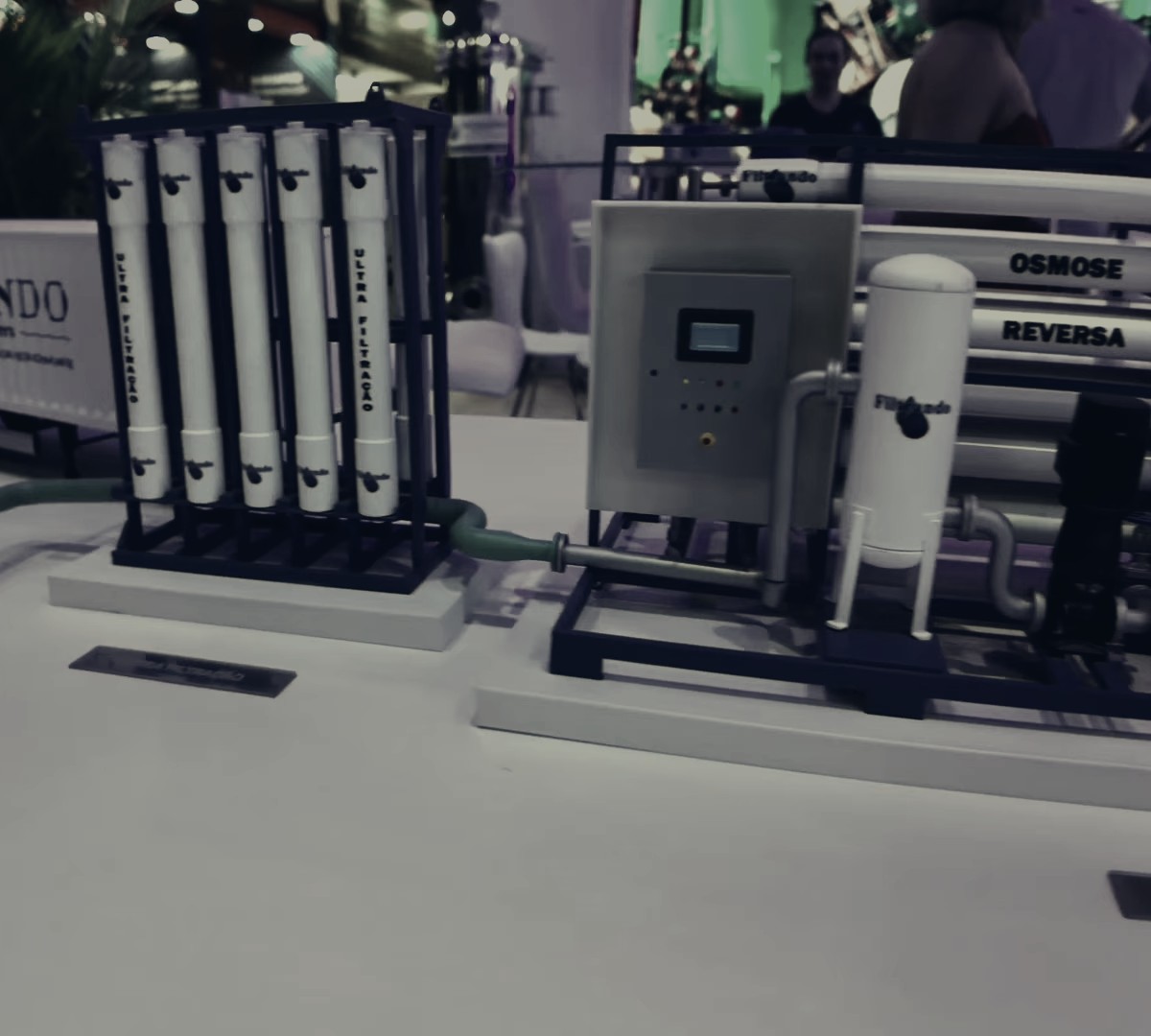 Trade show
The scale piece goes to the booth instead of the real machine.
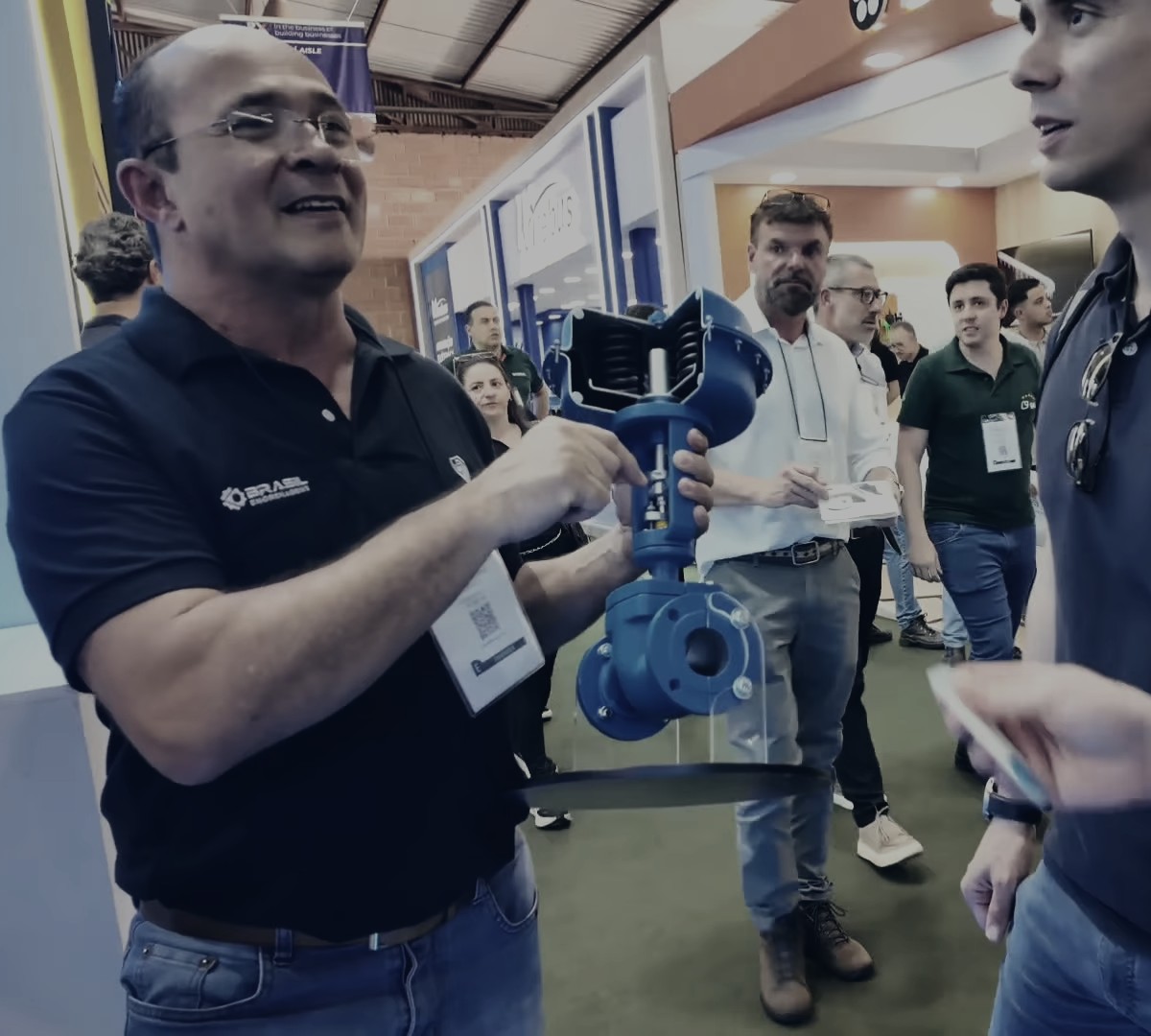 Training
The machine that cannot stop goes into the classroom, cut open.
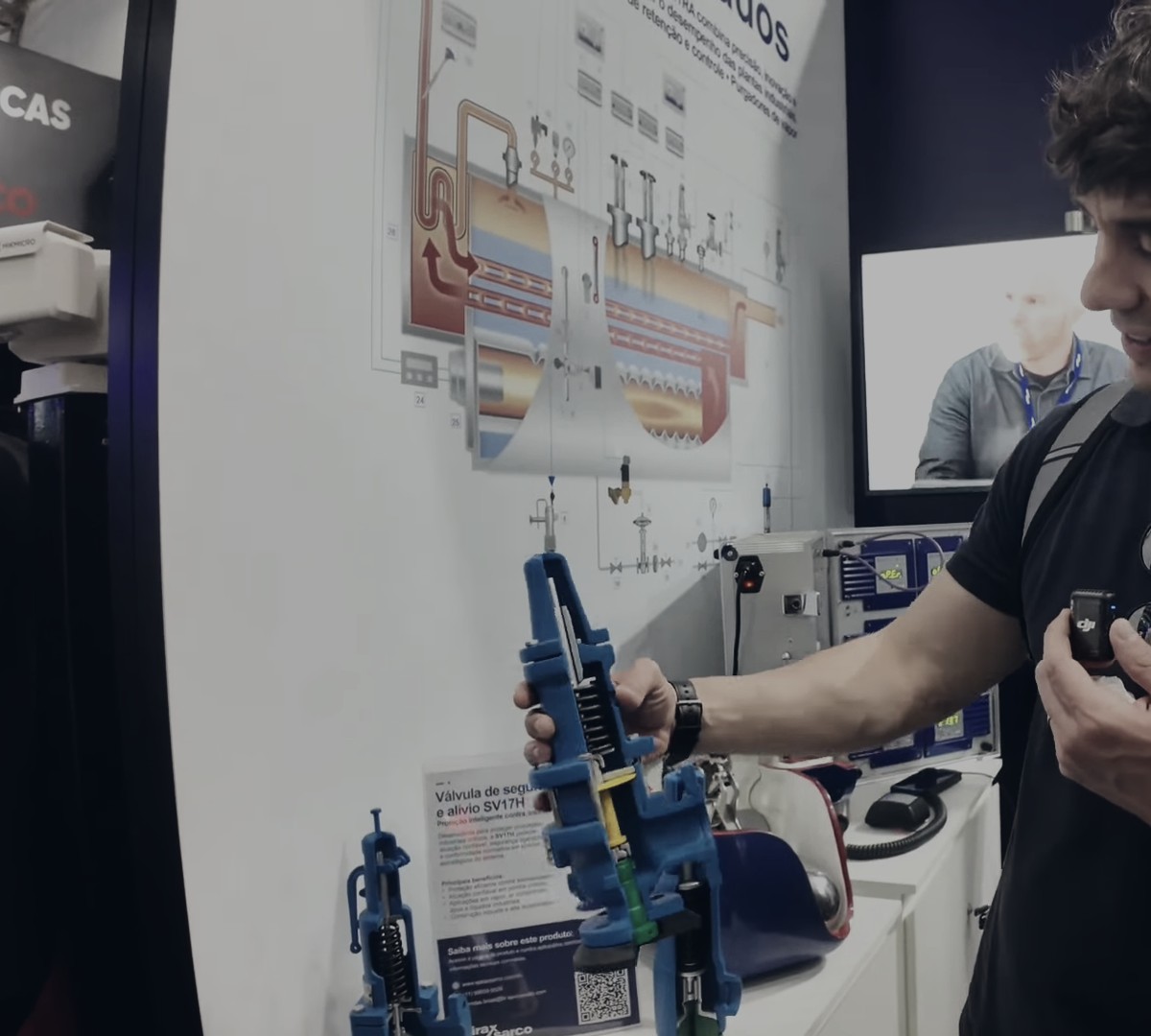 Sales visit
The rep carries in a suitcase what would never fit in one.


Tell us the load. We will recommend the material.
Send the file and tell us where the part works. The engineering review comes back within 24 business hours with the material, the reason and the lead time.
- FDM and SLA
- Ships to every country