
Equipment and machinery models
An equipment scale model, 3D printed from the CAD: the machine or mechanical assembly to scale, with the detail that explains how it works.
The machine that does not fit in the meeting room
An equipment scale model is a scale replica of a machine or mechanical assembly, printed from the CAD, to show proportion, access and how it works without bringing the real machine.
- Engineering’s own CAD, at a scale that fits on the table.
- Cutaways and half sections show what happens inside.
- Structure in FDM, fine detail in SLA resin.
The catalogue does not show what the buyer wants to see
The machine is far away
Industrial equipment is sold in meetings, but it does not fit in the lift. Catalogues and videos show the outside; the buyer’s question is usually about maintenance access, real size and what happens inside the casing.
The machine comes to the table
The model comes from the CAD engineering already has, at a scale that fits on the table. Where the question is inside, the casing opens in half section. Detail that carries information, like an impeller, a panel or a walkway, goes to resin.
Half section: what the casing hides
The drawing shows a pump; the same thinking works for a gearbox, a valve, a crusher or a compressor. The engineering review decides where to cut.
Illustrative drawing, not to scale. Each project comes from the client’s own file.
- Cut through the casingHalf the casing comes away and the cut face is marked, so the eye finds the section plane.
- Impeller on showThe working part, in SLA resin, with every vane whole and in place.
- Motor and baseThe large volume in FDM, true to the assembly’s proportions and solid enough to handle.
Spec sheet
- Input
- STL, STEP or OBJ
- Features
- Cutaway, half section, removable parts
- Tolerance
- ±0.1 mm
- Finish
- Paint in the machine’s colour
Full spec sheet
- No 3D file
- Photos from several angles and the main dimensions
- Scale
- Set in the engineering review, by use
- Materials
- PLA, ABS and PETG; resin for detail
- Engineering review
- Feasibility, material and lead time before any commitment
- Delivery
- Made in São Paulo, shipped to every country
Model, catalogue or the machine itself?
Each one covers part of a technical sale.
| Option | What it shows | Where it works | Where it falls short |
|---|---|---|---|
| Scale model | Proportion, access and the inside in section | Meeting table, booth, classroom | It does not run or show performance |
| Catalogue and video | The outside and the performance data | Email, website and proposals | Nobody can point at it or turn it |
| Real machine | Everything, running | At the plant or a large trade show | Costly freight, set-up and floor space |
Where an equipment model becomes a solution
Sales visits
The rep puts the machine on the client’s desk and opens the casing in front of them.
Trade shows
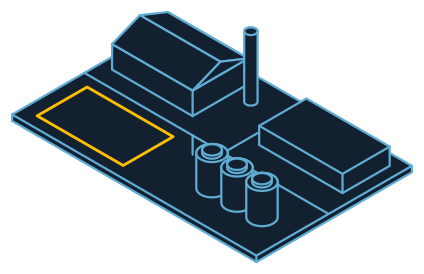
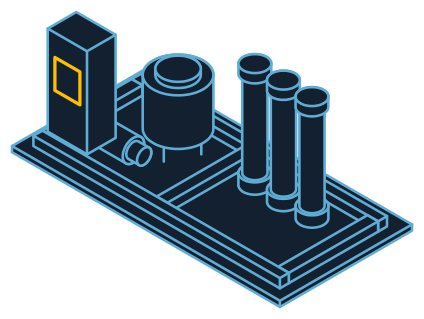
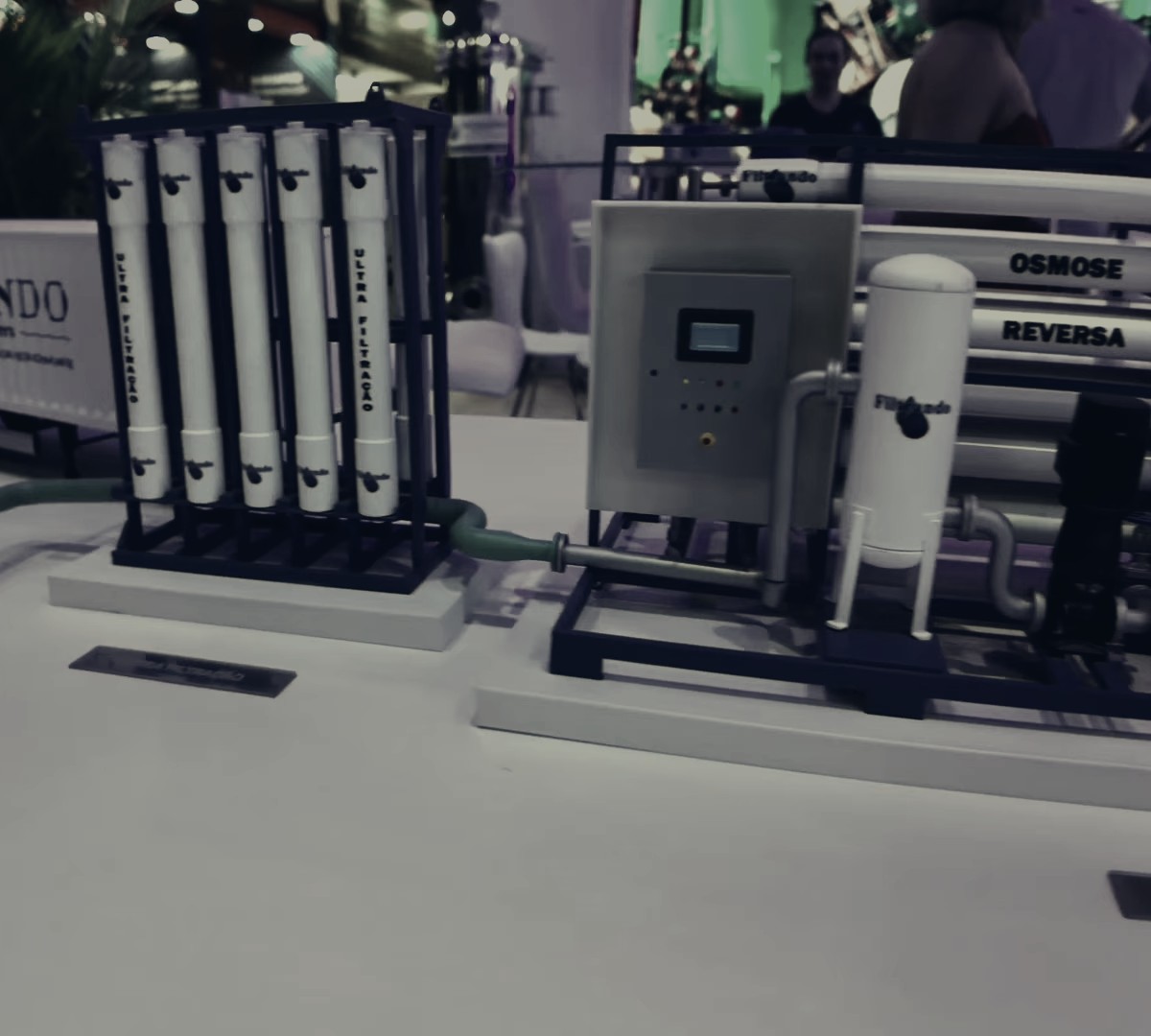
The machine that will not fit on the booth arrives to scale, finished for spotlights.
Operator training
Operators see inside what they will meet during maintenance, without stopping the line.
Contract signing gift
A miniature of the machine handed over when the contract is signed.
From the machine CAD to the scale model
The lead time for each step comes with the quote.
File
The machine CAD, or photos and dimensions.
Engineering review
Scale, where to cut and what goes to resin.
Printing
FDM for casing and base, SLA for impeller and panel.
Finishing
The machine’s colour, with the cut highlighted.
Delivery
Assembled and packed to travel.
What changes lead time and cost
No list price: the engineering review weighs these points.
- Scale
- The bigger it is, the more print hours. The right scale is the one you can read from your chair.
- Cuts and removable parts
- Every opening needs its own fit and more assembly.
- Detail in resin
- Panels, impellers and small instruments cost more per part than FDM volume.
- Colours
- The brand colour plus one highlight colour on the cut is usually enough.
Where an equipment model will not help
Better to know before the quote.
Running tests
The model shows how the machine works, but it does not pump or turn under load. For a part that has to work, a functional prototype.
No CAD, no dimensions
Without a model, photos from several sides or the main dimensions, accuracy drops. The engineering review says what can be done.
Detail below the scale
Threads, welds and small labels disappear when scaled down. When the detail is the point, a larger scale on one section works better.
Manufacturers that have printed with Tesseract



























Common questions
Can you show what is inside the machine?
Yes. Cutaways, half sections and removable parts are decided in the engineering review, before printing. It is the most direct way to explain a mechanism without opening the real machine.
Do the small details show?
Panels, impellers, walkways and thin piping go to SLA resin, which holds definition in small parts, and fit into the structure printed in FDM.
Do you paint in our brand colour?
Yes, finishing and paint are part of the scope. Send the colour reference with your request so it goes into the engineering review.
Will the model survive going back and forth to visits?
Yes, if material and fixings are chosen for it. Say in your request that the piece will travel: fragile parts can come off for transport and go back on at the table.
Can you make several identical units?
Yes. The approved file becomes the reference, and each new unit comes off it the same as the first.
What sets the price?
What weighs most is the size at the chosen scale, how much of the inside is shown and how much detail goes to resin. Paint comes after that. With a fixed budget, say so: the engineering review starts from it.
 Trade show
The scale piece goes to the booth instead of the real machine.
 Training
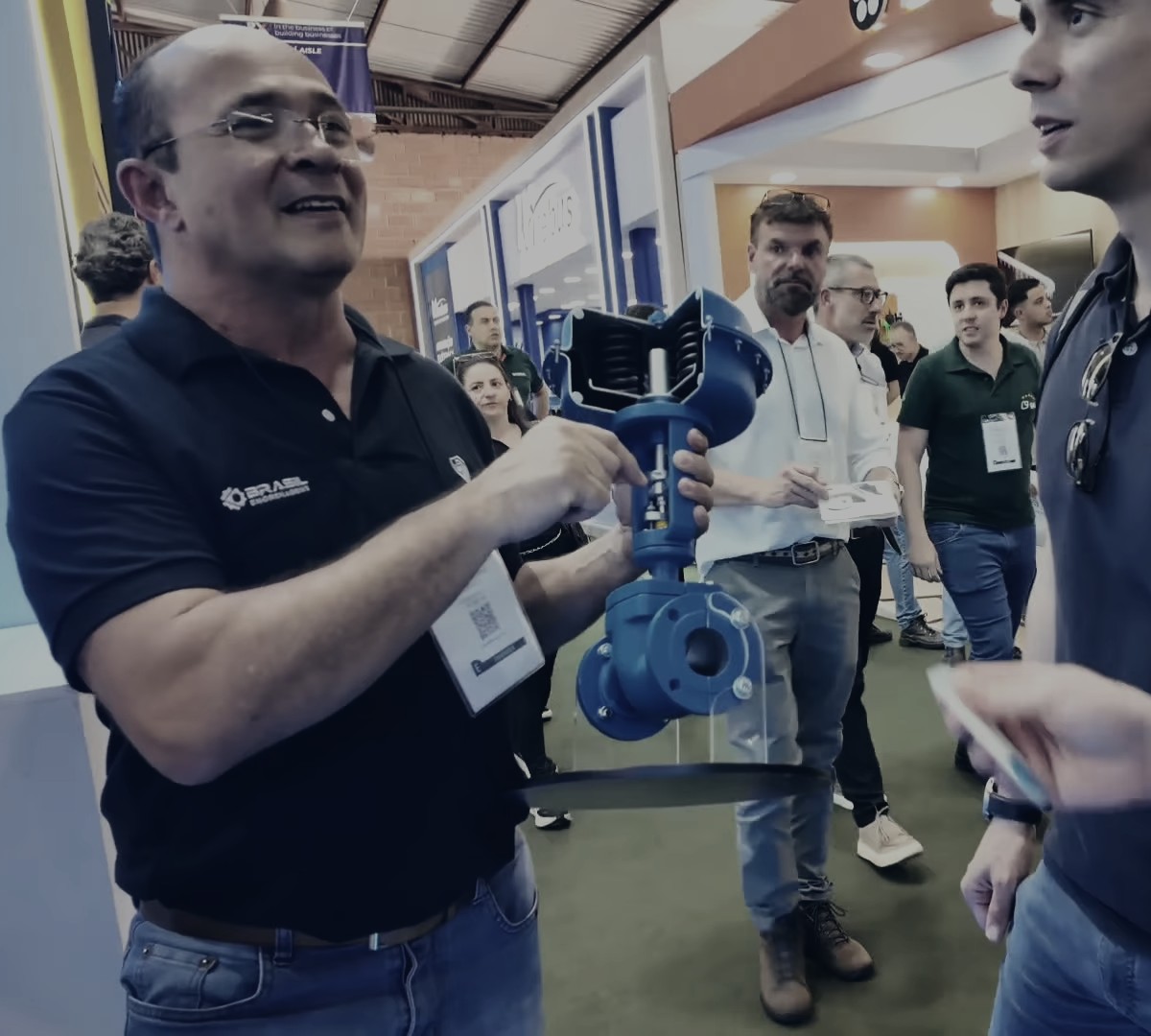
The machine that cannot stop goes into the classroom, cut open.
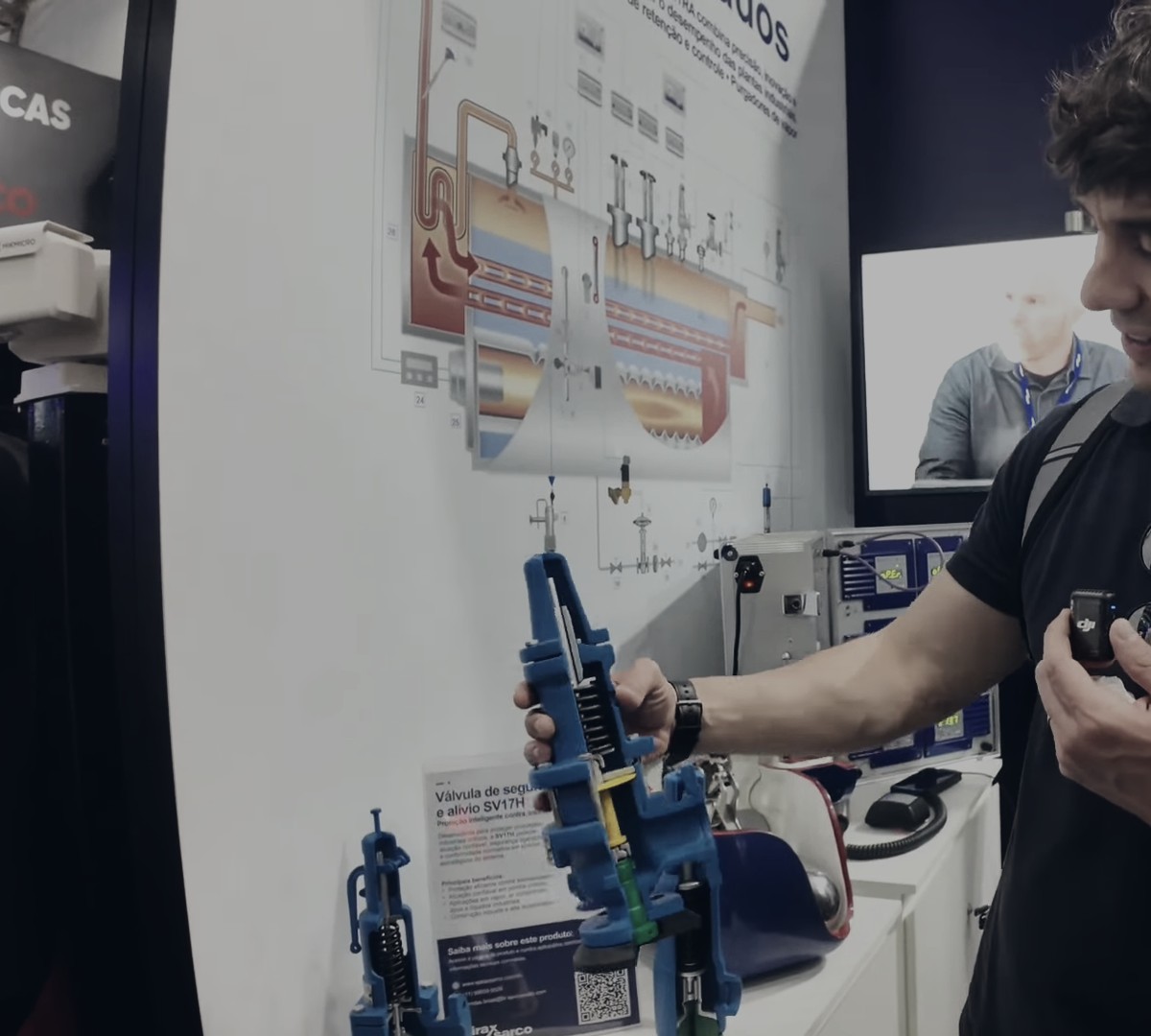 Sales visit
The rep carries in a suitcase what would never fit in one.


A machine that is hard to show?
Send the CAD or the photos. The engineering review comes back within 24 business hours, with scale, recommended cut and lead time.