
Industrial FDM 3D printing
In FDM 3D printing, a heated nozzle lays down melted filament, layer by layer. It is the process for structures, large parts and parts that work.
The process for structure
FDM 3D printing (fused deposition modelling) builds a part from plastic filament that runs through a heated nozzle and is laid down in layers on the bed. At Tesseract, it makes bases, housings and functional parts.
- Large parts and batches come out at a low cost per volume.
- It prints PLA, ABS and PETG, the filaments for parts that work.
- Fine detail has a limit: where it matters, resin takes over.
How FDM works
The section follows the filament on its way to the part. The part is a stack of beads.
Illustrative section, not to scale.
- FilamentIt leaves the spool and is pulled into the print head, nonstop, while the layer is drawn.
- Heated nozzleIt melts the filament and lays it down as a thin bead, following the outline and the inside of the layer.
- LayerThe bead that just came out bonds to the layer below. Its width sets the smallest detail that shows.
- BedIt holds the part from start to finish. With each layer done, the part and the nozzle move one step apart, and the next begins.
Spec sheet
- Process
- Fused filament deposition
- Tolerance
- ±0.1 mm
- Input
- STL, STEP or OBJ
- Finish
- Sanding, primer and paint
Full spec sheet
- Best for
- Structures, bases, large parts and functional parts
- Limit
- Detail smaller than the bead width
- Parts bigger than the printer
- In modules, split as set in the engineering review
- Engineering review
- Feasibility, material and lead time before any commitment
Where each process comes in
What each one does in each kind of job. The criterion-by-criterion comparison is in the guide.
| Job | FDM (this page) | SLA resin |
|---|---|---|
| Plant or equipment model | Buildings, base, structure and housings | Panels, valves, stairs and small equipment |
| Functional prototype | The part that goes to the bench, in ABS or PETG | Rarely: resin is more sensitive to knocks and heat |
| Appearance prototype | The body of the product, sanded and primed | The detail people look at up close and the surface for fine paint |
| Gifts and miniatures | The base and the larger desk piece | The keychain with the whole machine on it |
| Jigs and replacement parts | The right route: engineering material and batches without tooling | Only for small detail, when there is any |
What is inside an FDM part
A part stopped mid-print, with the top layer still open.
Illustrative drawing, not to scale. Each project comes from the client’s own file.
- WallsThe loops of bead that close the part on the outside. They are what takes sanding and primer.
- InfillInside, the part is rarely solid. The grid follows the load it will carry.
- LayersEach one is a slice of the file. On a sloped face it becomes the step that finishing hides.
- SupportWhere the part reaches out over nothing, a sparse wall holds the layer up. It comes off after printing.
Where FDM comes in
Models in modules
An industrial plant printed area by area and assembled on one base.
Functional prototypes
Assembled, loaded and stripped down on the bench until the design is settled.
Jigs and replacement parts
Batches that do not justify tooling, remade when the process changes.
Training models
An FDM housing stands up to a class opening and closing it.
When FDM is not the right call
Better to know before the quote.
Detail smaller than the bead
Panel grilles, small lettering and fine gears turn into a blur. Those parts go to resin.
A smooth surface with no finishing
The layers show until sanding and primer. If the part cannot be sanded, resin comes out smooth.
Many identical parts
For a large repeat batch, an injection mould starts to pay off. The engineering review tells you where that point is.
Common questions
How large can FDM print?
A part bigger than the printer comes out in modules, split for shipping and assembly. The size of each module comes with the engineering review of your file.
Is an FDM part hollow or solid?
Rarely solid. There is a grid inside, and how much material goes in follows the load the part will carry. More material adds machine time and cost.
Can an FDM part be used on the factory floor?
In ABS or PETG, yes: jigs, guides and replacement parts are made in those filaments. What decides it is the load and temperature at the station where it will work.
Can FDM and resin be combined in one piece?
Yes, and on a scale model it is the norm. The structure comes out in FDM, the detail in resin, and the parts come together before finishing.
What sets the price of an FDM part?
The size, how much material goes inside, the chosen material and the finish. Painting by area costs less than copying every detail.


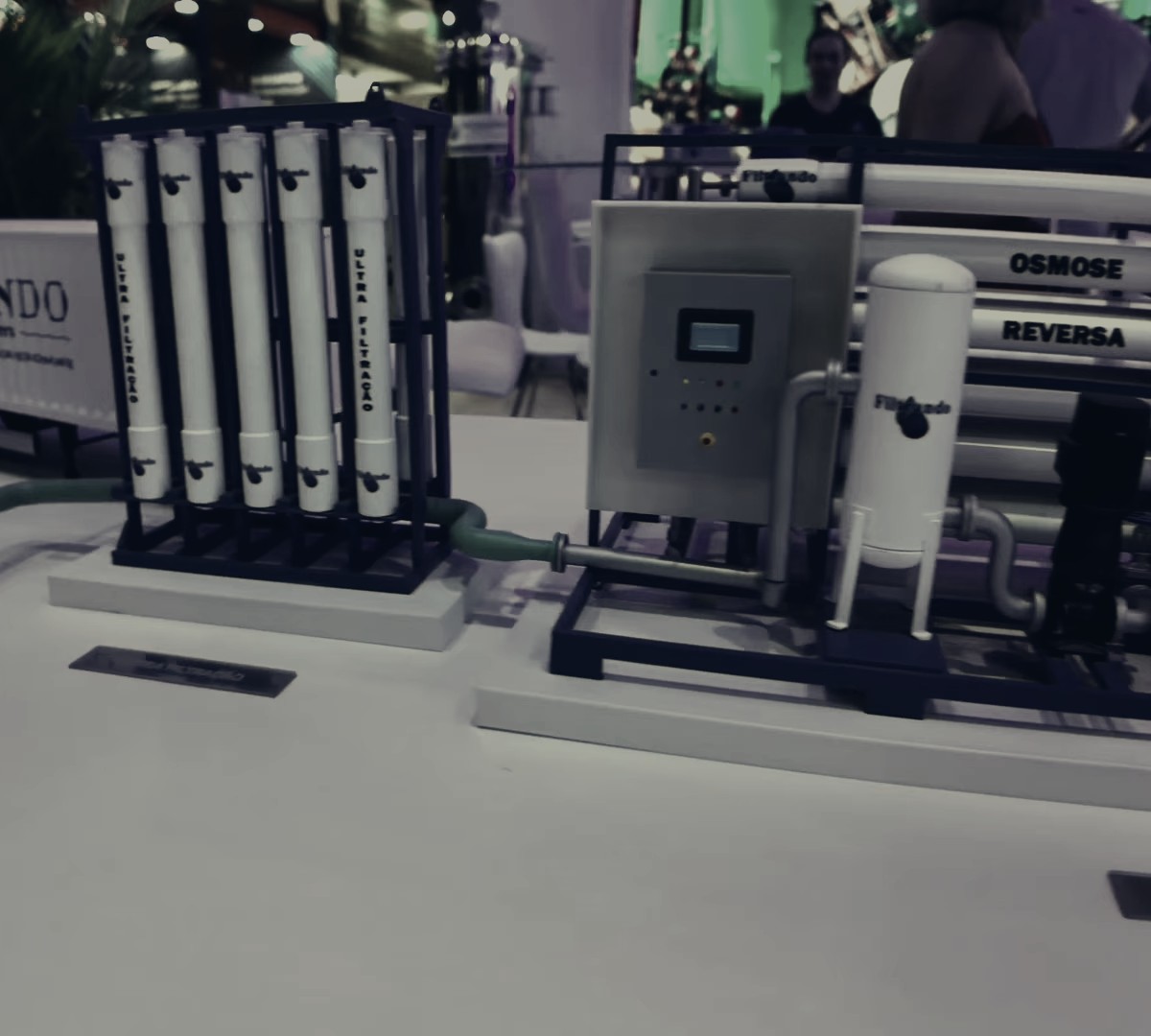 Trade show
The scale piece goes to the booth instead of the real machine.
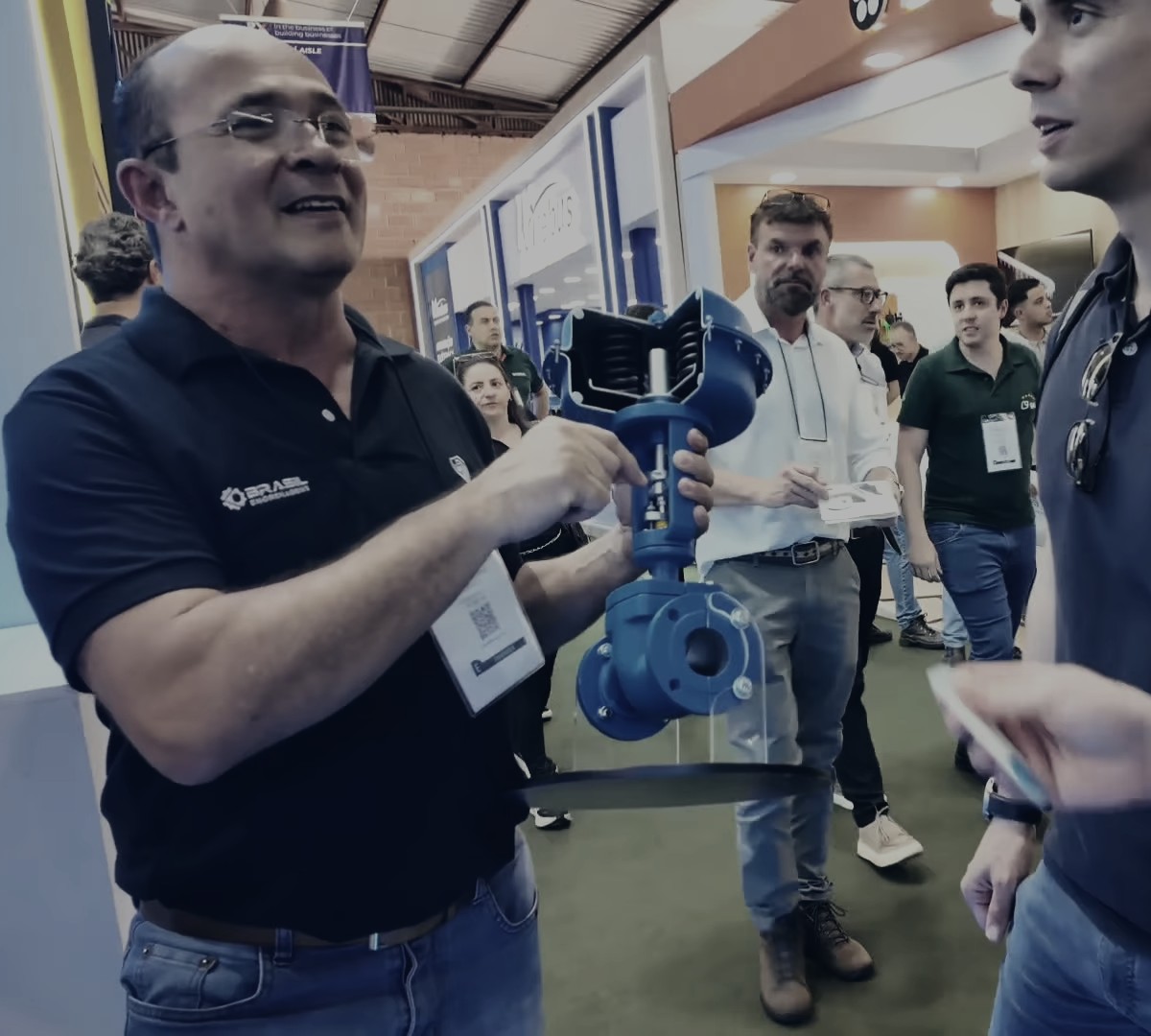 Training
The machine that cannot stop goes into the classroom, cut open.
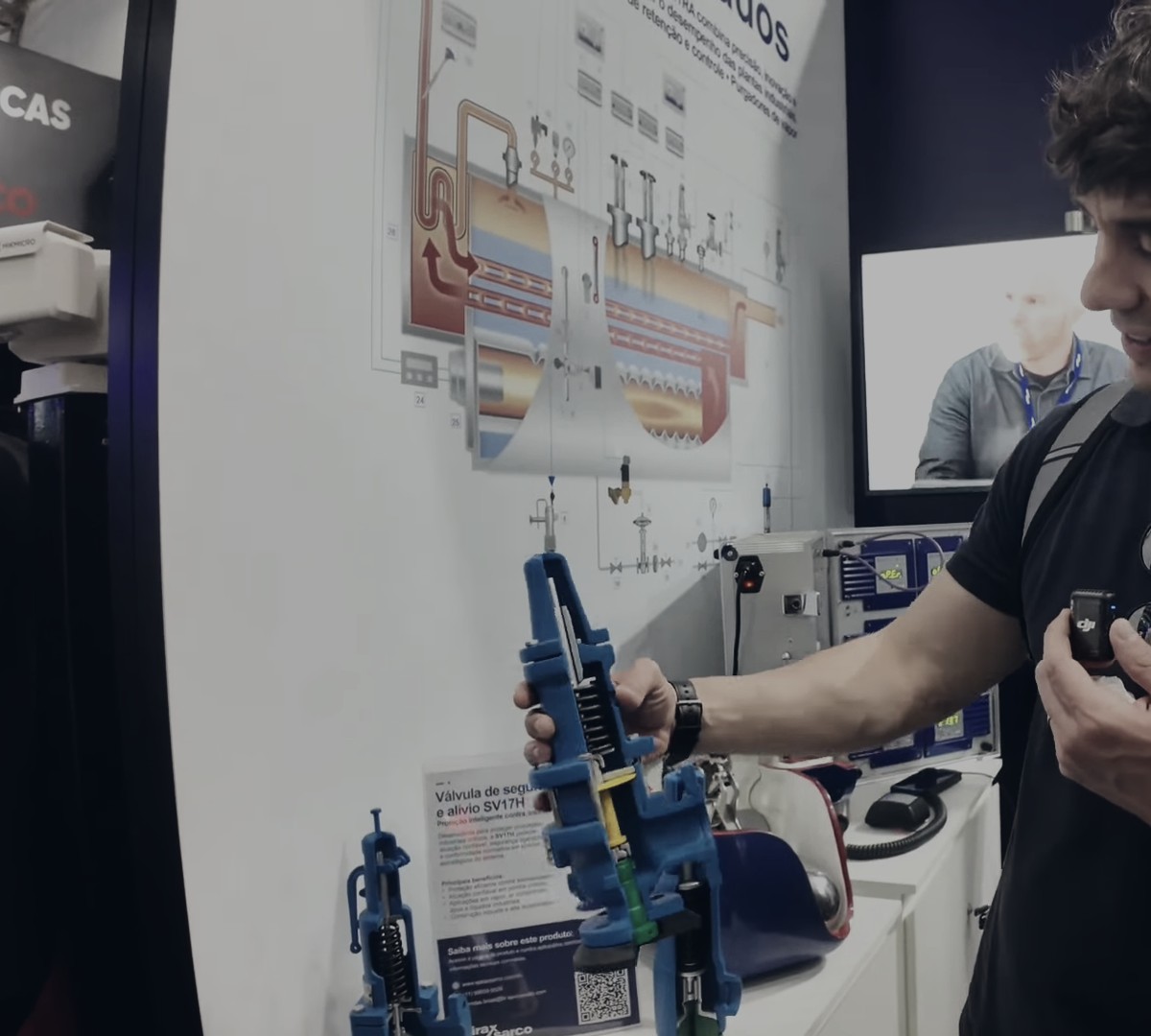 Sales visit
The rep carries in a suitcase what would never fit in one.


A part to print in FDM?
Send the file. The engineering review comes back within 24 business hours with the material, any module split and the lead time.